Summary:
Why Board Certification Matters When Choosing a Plastic Surgeon
You’ll see “board certified” on nearly every plastic surgeon’s website. But not all board certifications are created equal.
In the United States, the American Board of Plastic Surgery is the only board recognized by the American Board of Medical Specialties to certify surgeons specifically in plastic surgery. That distinction matters because ABPS certification requires at least six years of surgical training after medical school—including a minimum of three years focused exclusively on plastic surgery—plus passing rigorous written and oral exams.
Other boards exist, and some doctors use terms like “board certified in cosmetic surgery” to create the impression of equivalent training. But those boards often have far less stringent requirements. Some only require 50 cases in each area—facial, breast, and body—compared to the hundreds required for ABPS certification. In California and New York, surgeons certified by non-ABMS boards are even prohibited from advertising themselves as “board certified.”
When you’re evaluating a surgeon, ask directly: “Are you board certified by the American Board of Plastic Surgery?” If the answer is anything other than yes, keep looking.
What Board Certification Actually Tells You About a Surgeon
Board certification by the ABPS isn’t just a title. It’s proof that a surgeon has completed a specific, comprehensive training pathway.
After earning a medical degree, ABPS-certified surgeons complete years of hands-on surgical training in an accredited residency program. They learn reconstructive techniques, cosmetic procedures, and how to manage complications. They study anatomy, anesthesia, and patient safety. And they’re tested on all of it—first in a written exam, then in an oral exam where they’re evaluated by experienced plastic surgeons.
But certification doesn’t stop there. To maintain their status, surgeons must complete continuing education every year and recertify every ten years. That ongoing commitment ensures they stay current with the latest techniques, technologies, and safety standards.
When a surgeon is ABPS-certified, it also means they’re eligible for hospital privileges. Hospitals don’t grant operating privileges lightly—they review a surgeon’s training, experience, and track record before allowing them to perform procedures. If a surgeon doesn’t have hospital privileges, it’s worth asking why.
You can verify any surgeon’s board certification status by visiting the American Board of Plastic Surgery website. It takes less than a minute, and it’s one of the most important steps you can take before scheduling a consultation. If a surgeon’s name doesn’t appear in the ABPS database, that’s a red flag.
Beyond certification, pay attention to how long a surgeon has been in practice and whether they specialize in the type of procedure you’re considering. Experience matters. A surgeon who performs dozens of breast augmentations each year will likely have more refined techniques and a better understanding of how to achieve natural-looking results than someone who only does a handful annually.
How to Verify a Surgeon's Credentials Before Your Consultation
Board certification by the ABPS isn’t just a title. It’s proof that a surgeon has completed a specific, comprehensive training pathway.
After earning a medical degree, ABPS-certified surgeons complete years of hands-on surgical training in an accredited residency program. They learn reconstructive techniques, cosmetic procedures, and how to manage complications. They study anatomy, anesthesia, and patient safety. And they’re tested on all of it—first in a written exam, then in an oral exam where they’re evaluated by experienced plastic surgeons.
But certification doesn’t stop there. To maintain their status, surgeons must complete continuing education every year and recertify every ten years. That ongoing commitment ensures they stay current with the latest techniques, technologies, and safety standards.
When a surgeon is ABPS-certified, it also means they’re eligible for hospital privileges. Hospitals don’t grant operating privileges lightly—they review a surgeon’s training, experience, and track record before allowing them to perform procedures. If a surgeon doesn’t have hospital privileges, it’s worth asking why.
You can verify any surgeon’s board certification status by visiting the American Board of Plastic Surgery website. It takes less than a minute, and it’s one of the most important steps you can take before scheduling a consultation. If a surgeon’s name doesn’t appear in the ABPS database, that’s a red flag.
Beyond certification, pay attention to how long a surgeon has been in practice and whether they specialize in the type of procedure you’re considering. Experience matters. A surgeon who performs dozens of breast augmentations each year will likely have more refined techniques and a better understanding of how to achieve natural-looking results than someone who only does a handful annually.
Questions to Ask During Your Plastic Surgery Consultation
The consultation is your chance to evaluate the surgeon—not just their credentials, but their approach, communication style, and whether you feel comfortable with them.
Come prepared with a list of questions. Don’t worry about sounding overly cautious or skeptical. Any surgeon worth their salt will welcome your questions and answer them thoroughly. If a surgeon seems annoyed or dismissive, that’s a sign you’re not in the right place.
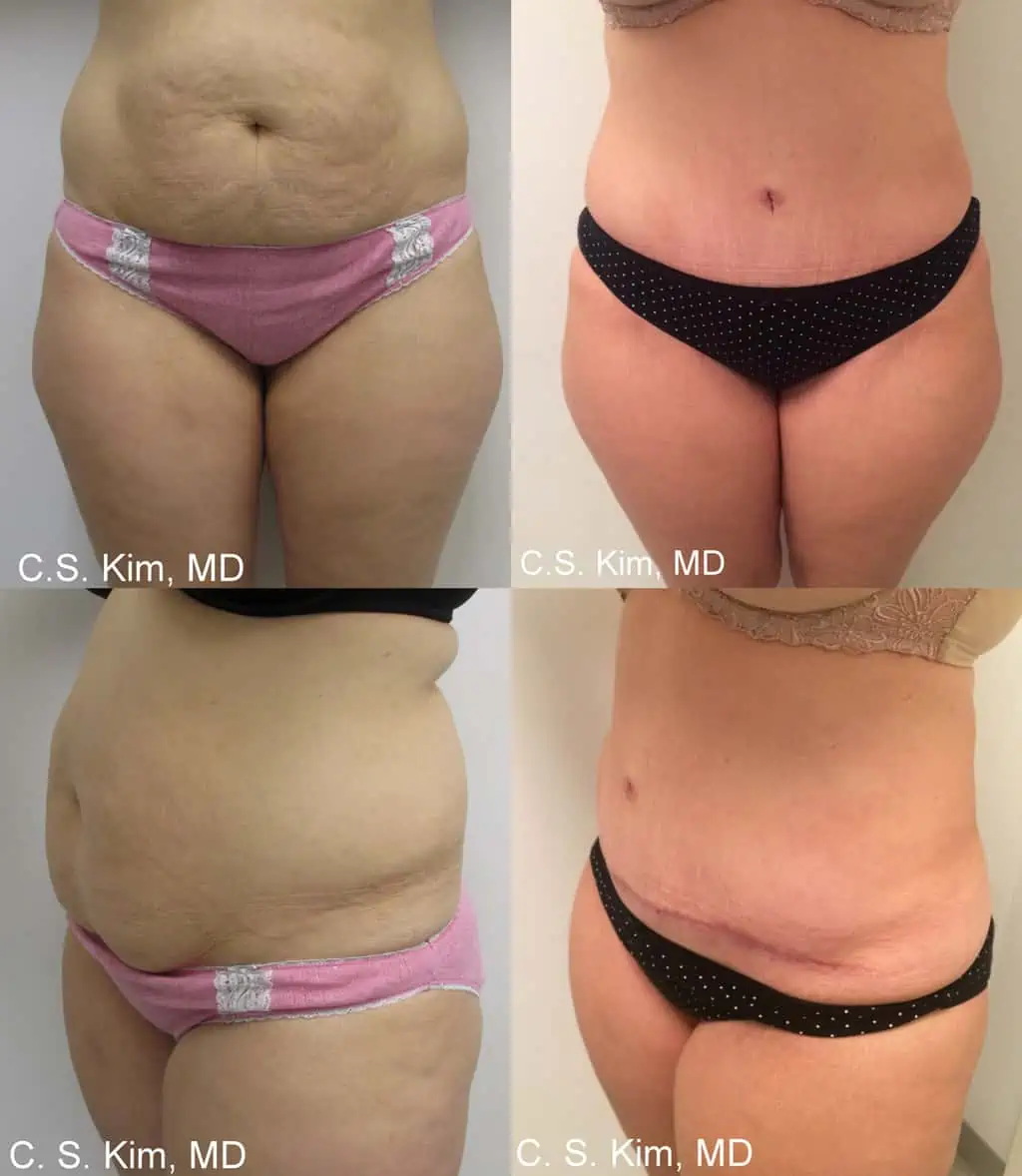
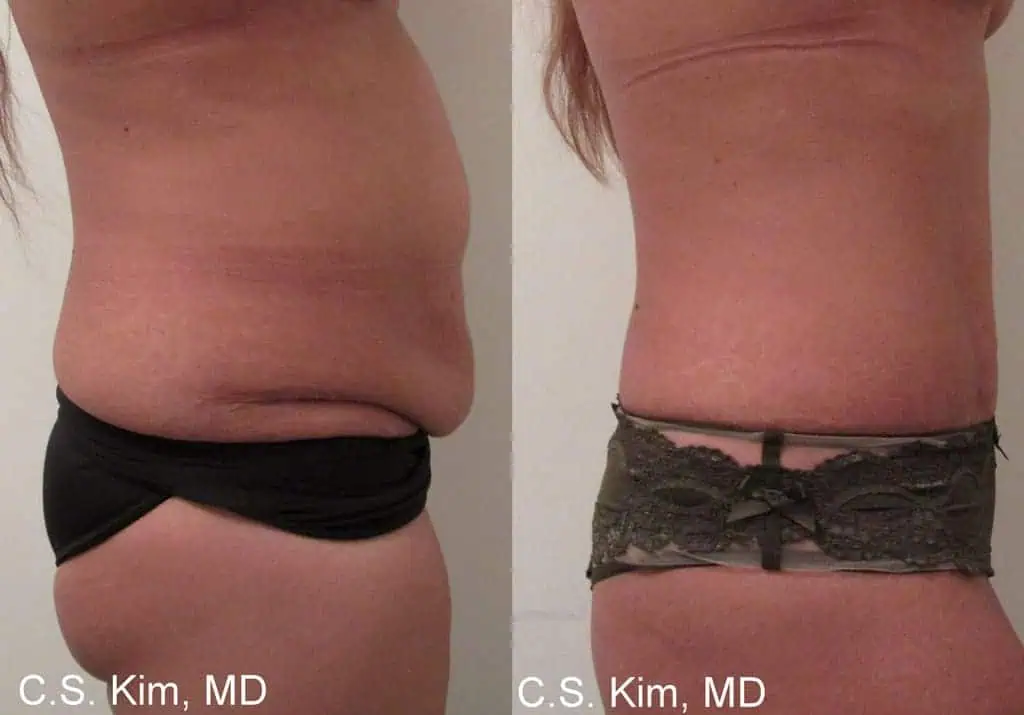
Start with the basics. Ask about their board certification, how long they’ve been performing the procedure you’re interested in, and how often they do it. Ask to see before-and-after photos of patients with similar features or goals. Pay attention to whether the results look natural and consistent.
Then dig deeper.
What to Ask About the Surgeon's Experience and Approach
Experience isn’t just about how many years a surgeon has been practicing. It’s about how often they perform the specific procedure you want and whether they specialize in that area.
Ask how many times they’ve performed the procedure in the past year. If it’s a procedure they only do occasionally, you might want to find someone for whom it’s a larger part of their practice. Surgeons who perform a procedure frequently tend to have more refined techniques and a better understanding of how to achieve the results you’re looking for.
You should also ask about their approach to the procedure. What technique do they use? Why do they prefer that technique over others? How do they customize the procedure based on a patient’s anatomy and goals? A good surgeon won’t give you a one-size-fits-all answer. They’ll explain how they tailor their approach to each patient.
Don’t be afraid to ask about complications. Every surgeon—no matter how skilled—will encounter complications at some point. What matters is how they handle them. Ask what the most common complications are for your procedure, how often they occur, and what the plan is if something goes wrong. A surgeon who’s upfront about risks and has a clear protocol for managing complications is someone you can trust.
You should also ask who will be performing your surgery. In some practices, the surgeon you meet during your consultation isn’t the one who performs your procedure. Make sure you know exactly who will be in the operating room and what their qualifications are.
Finally, ask about anesthesia. Will it be administered by a board-certified anesthesiologist or a certified registered nurse anesthetist? What type of anesthesia will be used, and how will you be monitored during the procedure? Anesthesia is one of the most critical aspects of surgery, and you want to make sure it’s being handled by someone with the right training and experience.
If the surgeon can’t answer these questions clearly, or if they seem evasive, that’s a problem. You deserve transparency.
Why the Surgical Facility Matters as Much as the Surgeon
You might assume that if a surgeon is qualified, the facility where they operate must be too. But that’s not always the case.
Not all surgical facilities are accredited, and that’s a problem. Accreditation means a facility has been inspected and meets strict standards for equipment, staff qualifications, emergency protocols, and patient safety. Without accreditation, there’s no independent verification that the facility is equipped to handle complications if they arise.
In the United States, there are three main accrediting bodies for outpatient surgical facilities: the American Association for Accreditation of Ambulatory Surgery Facilities, the Accreditation Association for Ambulatory Health Care, and the Joint Commission. The Joint Commission is considered the gold standard—it’s the same organization that accredits hospital operating rooms.
When a facility is accredited, it means several things. Anesthesia must be administered by qualified professionals. Emergency equipment must be on-site and regularly tested. Staff must be trained in advanced cardiac life support and how to recognize signs of distress. The facility must have protocols in place for handling emergencies, fires, and other crises. And the facility must report complications and safety issues to the state medical board.
If a surgeon operates in a non-accredited facility, ask why. Some states don’t require accreditation for office-based surgery, so it’s technically legal. But legal doesn’t mean safe. Studies have shown that accredited facilities have significantly lower complication rates—less than half of one percent—and an extremely low mortality rate.
You can verify a facility’s accreditation status by contacting the accrediting organization directly. Most surgeons will list their facility’s accreditation on their website, but if that information isn’t available, ask during your consultation.
If a surgeon can’t or won’t tell you where your procedure will be performed, or if they operate in a non-accredited facility, that’s a red flag. Your safety is too important to compromise.
Making the Right Choice for Your Plastic Surgery Journey
Choosing a plastic surgeon is one of the most important decisions you’ll make. It’s not just about the results—it’s about your safety, your experience, and your peace of mind.
The right surgeon is board certified by the American Board of Plastic Surgery, operates in an accredited facility, and has extensive experience with the procedure you’re considering. They’ll answer your questions honestly, show you their work, and take the time to understand your goals. And when you leave the consultation, you’ll feel confident—not pressured.
If you’re in Fairfield County, CT, and you’re ready to take the next step, we offer the credentials, experience, and personalized care you’re looking for. With over 30 years of experience and a commitment to patient safety, we’ve helped thousands of patients achieve their aesthetic goals in our Joint Commission accredited facility. Your consultation is the first step toward feeling like yourself again.