Summary:
How Liposuction Works: The Basic Process
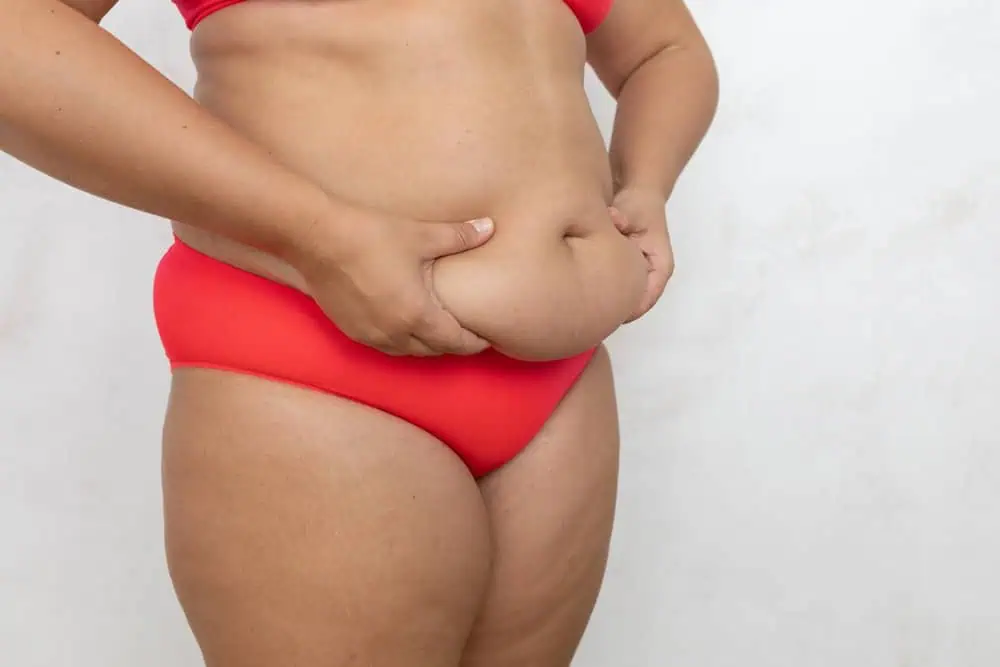
Liposuction removes localized fat deposits through small incisions using a thin tube called a cannula. The procedure targets subcutaneous fat—the layer just beneath your skin—in areas that don’t respond well to traditional weight loss methods. At our accredited facility in Fairfield County, CT, we perform this as an outpatient procedure.
During the procedure, we make tiny incisions in the treatment area. A cannula is inserted to break up and suction out fat cells. The incisions are small enough that scarring is minimal and typically fades over time.
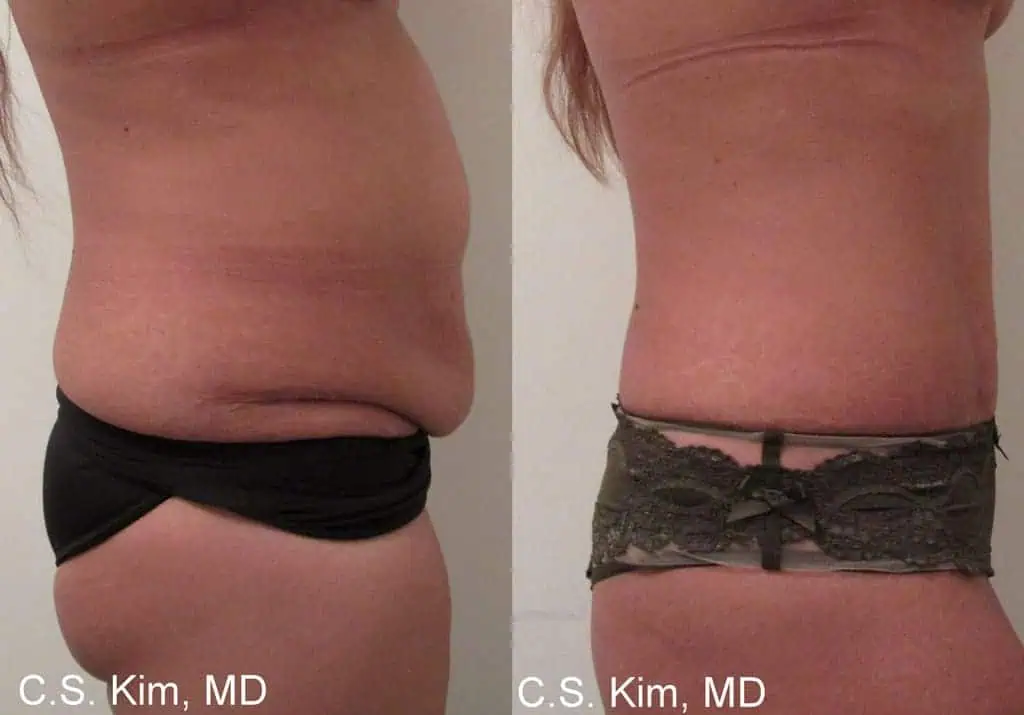
What liposuction doesn’t do is equally important. It’s not a weight loss solution. It’s not going to eliminate cellulite. And it won’t tighten loose or sagging skin on its own. Think of it as body sculpting, not weight reduction. You’re reshaping specific areas to create better proportion and definition.
Traditional Tumescent Liposuction vs Laser-Assisted Techniques
Traditional tumescent liposuction has been the gold standard for decades. The technique involves injecting a solution containing saline, lidocaine, and epinephrine into the treatment area. This solution firms up the fat, making it easier to remove while minimizing blood loss and reducing post-surgical pain.
The built-in anesthetic means you don’t necessarily need general anesthesia, which significantly reduces risks. The epinephrine constricts blood vessels, further minimizing bleeding and bruising during recovery. It’s a proven, reliable approach with a long safety record.
Laser-assisted liposuction takes things further by using controlled laser energy to liquefy fat cells before removal. The laser does two things traditional liposuction can’t: it makes fat removal easier by breaking down cells first, and it provides skin tightening benefits through collagen stimulation. If you’re dealing with mild skin laxity along with stubborn fat, laser techniques might offer advantages.
However, traditional liposuction still offers superior precision for body contouring. We can monitor our progress in real-time, making adjustments to achieve the exact shape and contour you want. With laser techniques, once the fat is melted, that immediate feedback and control is lost.
The choice between techniques often comes down to your specific needs. If you have good skin elasticity and primarily want fat removal, traditional tumescent liposuction delivers excellent results with proven safety. If you’re dealing with mild skin laxity along with stubborn fat, laser-assisted techniques might be worth considering. Your consultation will help determine which approach aligns with your anatomy and goals.
What BodyTite Brings to Body Contouring
Traditional tumescent liposuction has been the gold standard for decades. The technique involves injecting a solution containing saline, lidocaine, and epinephrine into the treatment area. This solution firms up the fat, making it easier to remove while minimizing blood loss and reducing post-surgical pain.
The built-in anesthetic means you don’t necessarily need general anesthesia, which significantly reduces risks. The epinephrine constricts blood vessels, further minimizing bleeding and bruising during recovery. It’s a proven, reliable approach with a long safety record.
Laser-assisted liposuction takes things further by using controlled laser energy to liquefy fat cells before removal. The laser does two things traditional liposuction can’t: it makes fat removal easier by breaking down cells first, and it provides skin tightening benefits through collagen stimulation. If you’re dealing with mild skin laxity along with stubborn fat, laser techniques might offer advantages.
However, traditional liposuction still offers superior precision for body contouring. We can monitor our progress in real-time, making adjustments to achieve the exact shape and contour you want. With laser techniques, once the fat is melted, that immediate feedback and control is lost.
The choice between techniques often comes down to your specific needs. If you have good skin elasticity and primarily want fat removal, traditional tumescent liposuction delivers excellent results with proven safety. If you’re dealing with mild skin laxity along with stubborn fat, laser-assisted techniques might be worth considering. Your consultation will help determine which approach aligns with your anatomy and goals.
Who Makes a Good Candidate for Liposuction
Good candidates for liposuction are adults within about 30% of their ideal weight who have firm, elastic skin and good muscle tone. You should be in good overall health without conditions that could impair healing.
The procedure works best for people who have localized areas of fat that simply won’t respond to diet and exercise. Common treatment areas include the abdomen, flanks, thighs, hips, arms, back, and even the face and neck. These are the stubborn pockets that persist even when you’re doing everything right.
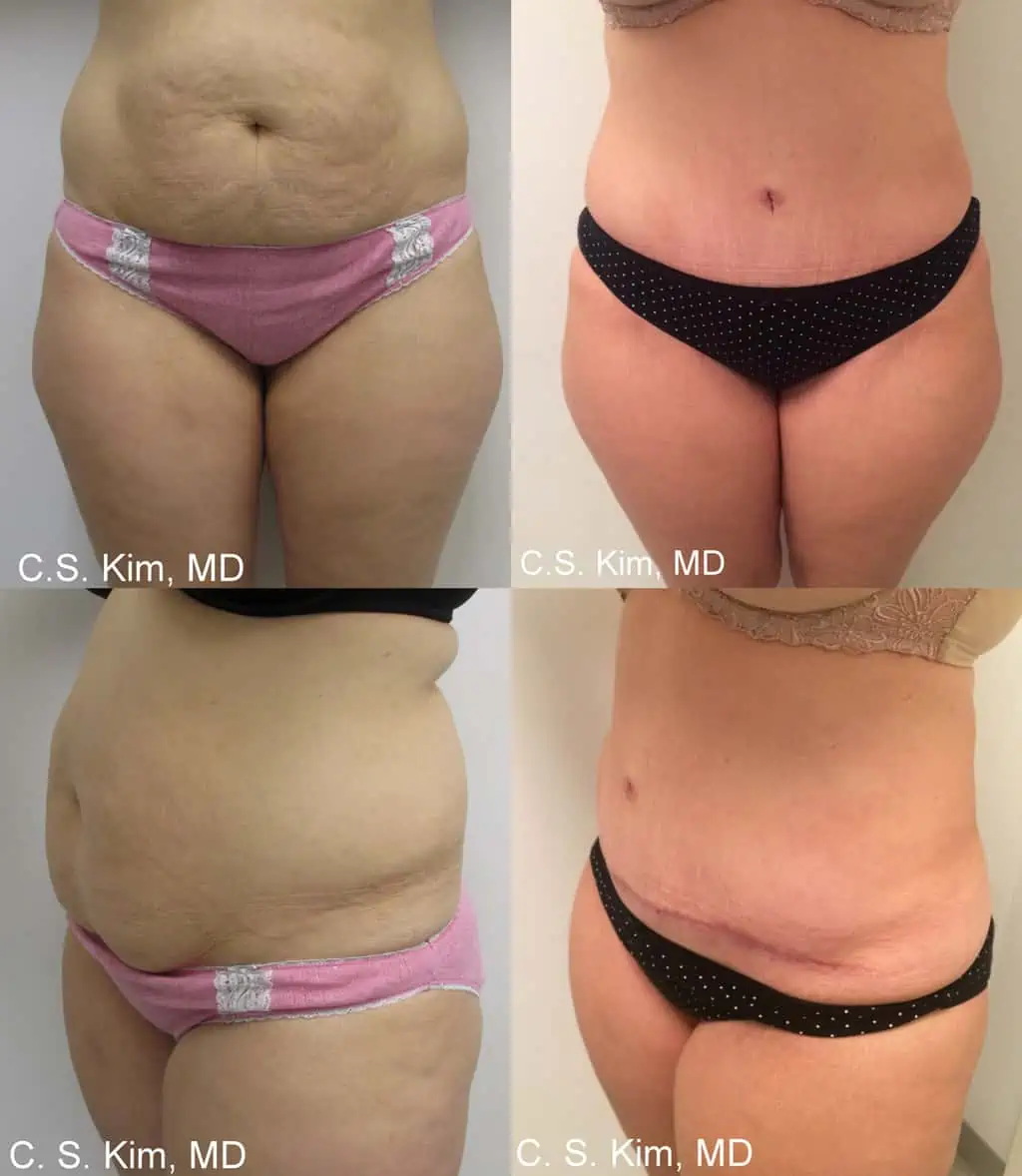
Your skin quality matters significantly. If your skin has good elasticity, it will naturally tighten after fat removal, revealing a sleek, toned appearance. If your skin is already loose or sagging due to aging, pregnancy, or major weight loss, removing fat may actually worsen that laxity. In those cases, combining liposuction with skin-tightening procedures or opting for a tummy tuck might make more sense.
Safety Considerations and What Disqualifies You
Liposuction is considered safe when performed by a board-certified plastic surgeon with extensive experience. Close to 350,000 liposuction procedures were performed in 2023 with minimal complications, making it one of the most frequently performed cosmetic procedures.
That said, certain conditions may disqualify you or require additional precautions. If you have uncontrolled diabetes, cardiovascular disease, bleeding disorders, or other serious medical conditions, you may not be a suitable candidate. We conduct a thorough medical evaluation to determine your candidacy.
Smoking is a significant concern. Tobacco and nicotine use increase the risk of infection, delayed healing, additional scarring, and potentially life-threatening complications like blood clots or pulmonary issues. You’ll need to stop smoking at least several weeks before and after your procedure.
Realistic expectations are crucial. Liposuction is not a cure for obesity or a substitute for weight loss. If you’re substantially above your target weight, you’ll need to lose weight before body contouring can be effective. Some surgeons prefer patients to have a BMI below 30, though this isn’t always a perfect indicator since it doesn’t distinguish between muscle and fat.
We also assess your psychological readiness, motivation, and understanding of the procedure’s limitations. The goal is ensuring liposuction is the right choice for you—not just that you’re physically qualified, but that your expectations align with what the procedure can realistically deliver.
Recovery Timeline and What to Actually Expect
Recovery from liposuction typically takes four to six weeks, though the timeline varies based on how much fat was removed, which areas were treated, and your body’s healing response.
The first week is when you’ll feel most tender and swollen. Patients often call this “swell hell” because swelling peaks around day two. You’ll need to wear compression garments continuously except when showering to minimize swelling and help your skin conform to your new contours. Pain medications help manage discomfort, though most people find the pain manageable. Light walking is encouraged from day one to improve circulation and reduce the risk of blood clots.
During weeks two and three, swelling and bruising begin to improve. Many patients return to work after two weeks, though you’ll still need to avoid strenuous activities. Short walks can gradually increase in intensity, but you’re not ready for the gym yet.
By weeks three and four, you should start feeling significantly better. Swelling continues to dissipate, incisions are mostly healed, and you’ll begin to see some of your results. Light to moderate exercise can typically resume around this time with our approval.
Weeks five and six mark the point where most people can stop wearing compression garments and return to their regular workout program. Swelling and bruising should have largely subsided, revealing your new contours.
Final results appear between one and three months after the procedure as residual swelling completely resolves and your skin fully contracts over the treated area. Some patients continue to see improvements for up to six months as collagen remodeling continues.
It’s worth noting that your weight might fluctuate during recovery due to residual swelling or fluid retention. Don’t focus on the scale during this time. Your body contours are continuously improving even if the number doesn’t immediately reflect it.
Making the Right Choice for Your Body Contouring Goals
Liposuction continues to be one of the most popular cosmetic procedures because it addresses a real, common frustration: stubborn fat that won’t respond to your best efforts. Understanding the differences between traditional tumescent liposuction, laser-assisted techniques, and advanced BodyTite technology helps you make an informed choice about what’s right for your body.
The key is matching the technique to your specific situation. Good skin elasticity with localized fat deposits? Traditional liposuction delivers proven results. Mild skin laxity along with stubborn fat? Laser techniques or BodyTite might offer advantages. Significant loose skin? Combining liposuction with a tummy tuck or other procedures could be the better path.
Working with a board-certified plastic surgeon who takes time to understand your goals, assess your anatomy, and explain your options makes all the difference. If you’re in Fairfield County and ready to explore what liposuction can do for you, we offer the experience, accreditation, and personalized approach that helps you achieve natural-looking results you’ll actually be happy with.