Summary:
Why Board Certification Matters More Than You Think
The first question you should ask any plastic surgeon is whether they’re certified by the American Board of Plastic Surgery—and you should ask this before requesting a consultation. This isn’t just a formality.
The frightening truth is that any licensed physician can legally perform cosmetic procedures in the US—even doctors with zero cosmetic surgery training. Your family doctor, your gynecologist, even your dentist could technically offer you a tummy tuck. Medical professionals who aren’t board certified lack the expertise, and lacking key credentials is one of the biggest red flags prospective patients must consider.
What Real Board Certification Looks Like
Unfortunately, some physicians say they’re “board certified” without specifying which board certified them, and vague language like this can be a red flag because there are for-profit organizations that offer certification with far fewer competency requirements. Don’t let this fool you.
The only certification that matters is from the American Board of Plastic Surgery—not cosmetic surgery, not gynecology, not “double board certified” in two things that still aren’t plastic surgery, but certified by the American Board of Plastic Surgery, period, as that’s the only way to ensure your surgeon has met incredibly strict requirements.
Being certified by a board that’s a member of the ABMS means the physician underwent rigorous, multi-year training, studied for and passed written and oral examinations, and continues participating in annual continuing education and testing. This certification requires 6-9 years of training dedicated to plastic surgery, including at least six years of surgical training with at least two years focused on plastic surgery, plus extensive written and oral examinations.
Think of it this way: if you have a surgical complication requiring hospital admission, a general practitioner who performed your breast augmentation won’t be allowed to treat your complication because hospitals grant privileges to practice medicine only in the field you’re board certified in.
How to Verify Your Surgeon's Credentials
Unfortunately, some physicians say they’re “board certified” without specifying which board certified them, and vague language like this can be a red flag because there are for-profit organizations that offer certification with far fewer competency requirements. Don’t let this fool you.
The only certification that matters is from the American Board of Plastic Surgery—not cosmetic surgery, not gynecology, not “double board certified” in two things that still aren’t plastic surgery, but certified by the American Board of Plastic Surgery, period, as that’s the only way to ensure your surgeon has met incredibly strict requirements.
Being certified by a board that’s a member of the ABMS means the physician underwent rigorous, multi-year training, studied for and passed written and oral examinations, and continues participating in annual continuing education and testing. This certification requires 6-9 years of training dedicated to plastic surgery, including at least six years of surgical training with at least two years focused on plastic surgery, plus extensive written and oral examinations.
Think of it this way: if you have a surgical complication requiring hospital admission, a general practitioner who performed your breast augmentation won’t be allowed to treat your complication because hospitals grant privileges to practice medicine only in the field you’re board certified in.
Essential Questions for Your Plastic Surgery Consultation
Your surgeon and their team will guide you through several steps, but being prepared ensures you leave knowing everything needed to move forward, so we recommend making a list of questions beforehand. The right questions reveal everything you need to know about their experience, your safety, and what to expect.
When consulting with a plastic surgeon, be prepared to discuss your goals and concerns so the surgeon can use this information to ask additional questions and help you decide what procedure is right for you, since each body is different and what was right for your friend may not be the most effective approach for you.
Experience and Procedure-Specific Questions
Ask “How frequently do you perform the procedure I want?” because you want to ensure the cosmetic surgeon you choose is well-matched to deliver the outcome you desire, and it’s common for cosmetic surgeons to specialize in certain types of procedures, so consider the benefits of choosing a surgeon who performs your procedure as a large percentage of their practice.
When pursuing a plastic surgery procedure, always consider how familiar the surgeon is with the procedure and how often they’ve performed it recently, because you don’t have to be the busiest surgeon to do a good job, but you want to get a sense of whether that surgeon is doing that specific procedure frequently.
Ask how often your surgeon performs the procedure—this isn’t about specific numbers, it’s about experience and expertise. A surgeon who does your procedure once a month versus once a week will have different levels of current experience with the latest techniques and potential complications.
If you’re seeking breast augmentation, ask whether they specialize in this procedure, as many surgeons perform all sorts of surgeries but have one or two areas they specialize in—such as breast surgery, body contouring, or facial surgery. Specialization often translates to better outcomes and fewer complications.
Don’t forget to ask about their team. Ask who will actually perform your procedure, as it’s not always the surgeon you meet during consultation, and ask whether the surgeon uses the same team for every procedure to determine if they have a specialized team you can meet beforehand.
Safety, Risks, and Recovery Questions
It’s important for patients to understand and consider possible health risks, including anesthesia risks, so always ask what type of anesthesia you’ll receive (local or general), who will provide it, and how you’ll be monitored, keeping in mind that approaches to anesthesia are determined by the procedure and your medical history.
Ask who does the anesthesia—it’s vital that they’re a Doctor of Medicine (MD) or Certified Registered Nurse Anesthetist (CRNA), and it’s very important to make sure the surgeon uses an anesthetist trained and certified by strict criteria and rigorous training, as it’s one of the riskiest aspects of most cosmetic procedures.
Despite most plastic surgeries being safe, all cosmetic surgery procedures come with risks, so if your surgeon doesn’t bring them up first, be sure to ask what the risks are for your surgery and current situation. Professional, respectable surgeons won’t promise you the world—they’ll be honest about expectations and risks, and if a surgeon promises perfect results without any risks, they’re not being truthful.
Ask about your recovery, especially the first 24-48 hours, when you’ll be able to return to work, when you can return to strenuous activity like exercise, and how long until you should start to see your final results. Recovery timelines vary by procedure, medical history, and other factors, so knowing about this beforehand helps you prepare and learn about post-op appointments that will guide your recovery.
Ask about the facility too. Ask if your plastic surgeon operates in an accredited ambulatory facility, as this is key because accredited ambulatory facilities have been reviewed and identified as capable of responding to medical emergencies, giving you assurance that the team can take care of you if there’s a problem and that they have all the life support capabilities, training, and equipment to respond to life-threatening situations.
Making Your Final Decision With Confidence
Remember, at the end of the day, you’re pursuing this procedure to make you feel happy and confident, so trust your intuition to pick the perfect surgeon for your procedure. Surgery is far too serious to decide based on price or any single measure, so look at the surgeon holistically and trust your gut—there’s no need to rush into any cosmetic procedure, and you’ll know it’s the right time and surgeon when you feel absolutely ready and eager to move forward.
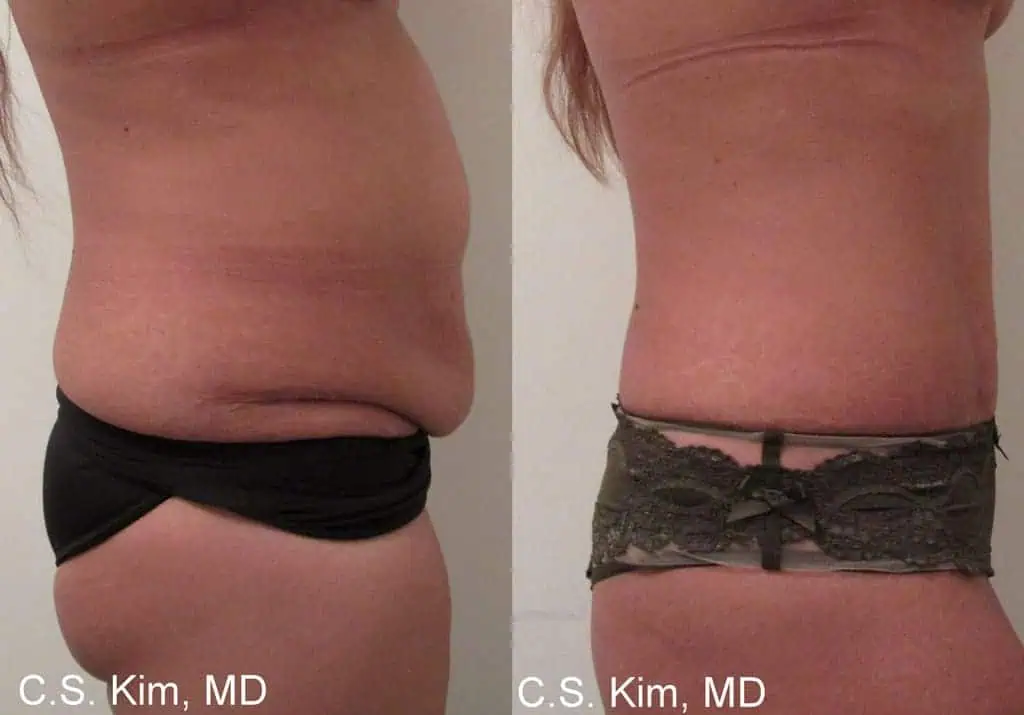
The right plastic surgeon will take time to answer your questions, show you relevant before-and-after photos, and never pressure you into additional procedures. Ask for a second opinion and seek consultations with other board-certified plastic surgeons to receive additional perspectives that help you decide which options to take or affirm that a specific treatment is appropriate for your situation.
When you find a board-certified plastic surgeon who listens to your concerns, answers your questions thoroughly, and makes you feel confident about your decision, you’ve found the right fit. We understand that choosing the right surgeon is just as important as choosing the right procedure for your goals.