Summary:
What to Expect During Plastic Surgery Recovery
Recovery isn’t one-size-fits-all. What you experience after breast augmentation looks different from tummy tuck recovery, and both differ from liposuction healing. But there are common threads.
The first 24 to 72 hours are the hardest. Swelling, bruising, soreness—it’s all normal. Your body just went through trauma, even if it was controlled and intentional.
Anesthesia takes time to clear your system. You’ll feel groggy, maybe nauseous. Pain peaks in those first couple of days, then starts to ease if everything’s going right.
Swelling typically hits its worst around day two to four, then gradually improves over weeks. Some residual puffiness can linger for months, especially with procedures like liposuction or tummy tucks. Bruising fades faster, usually within two weeks, though it can stick around longer depending on your body and the procedure.
Breast Augmentation Aftercare: Timeline and Tips
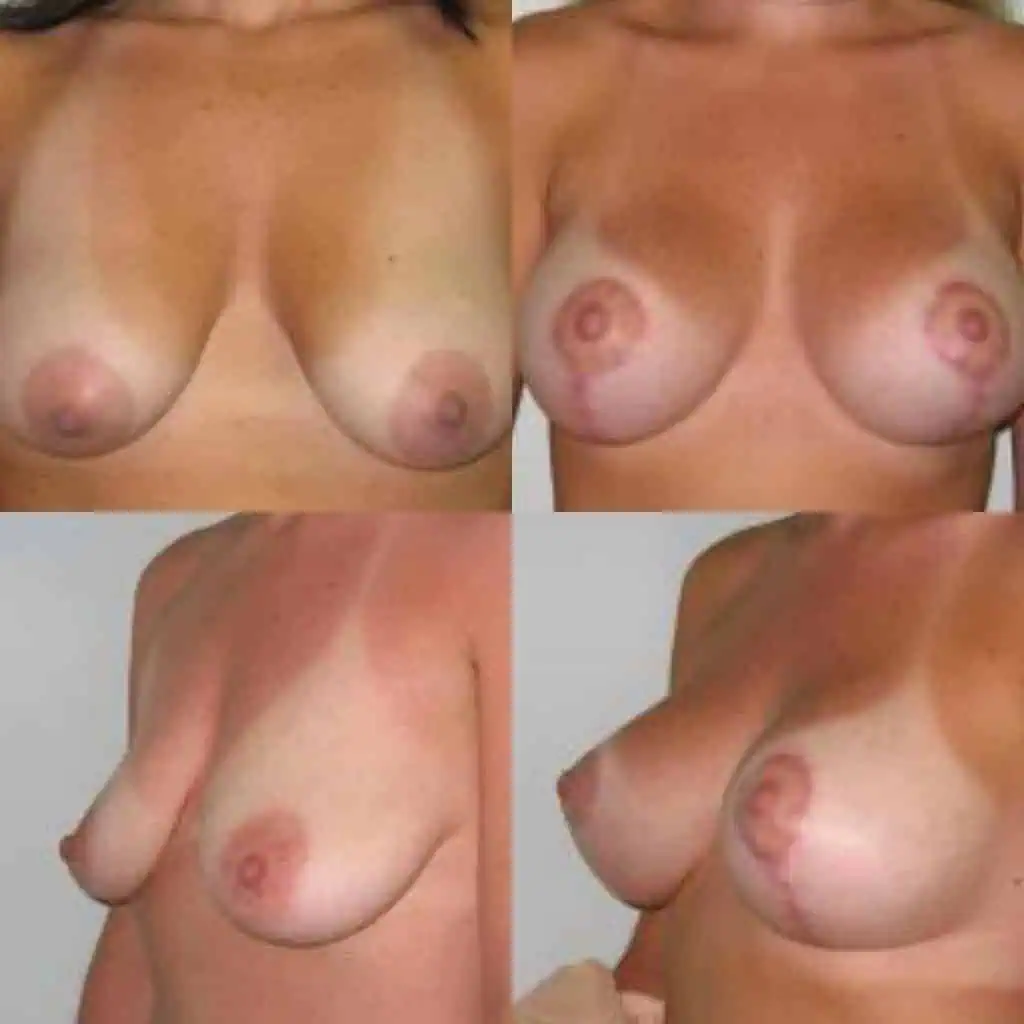
Breast augmentation recovery is relatively quick compared to body contouring procedures, but it still requires care and patience. If your job isn’t physically demanding, you can usually return to work within three to seven days. Light exercise might be okay after a week, but heavy lifting is off-limits for about a month.
Your chest will feel tight and sore. The implants need time to settle into position, which can take up to three months. During that time, they might sit higher than you expected or feel unnaturally firm.
This is normal. Massage techniques—if we recommend them—can help, but only start when you’re cleared to do so.
Wearing a supportive bra or compression garment is non-negotiable. It minimizes swelling, supports healing tissue, and helps implants settle correctly. We’ll tell you exactly what to wear and for how long.
Follow that guidance. Skipping it or stopping early can affect your final shape.
Sleep position matters more than you think. We typically recommend sleeping elevated on your back for at least the first week, sometimes longer. This reduces swelling and keeps pressure off your chest.
If you’re a side or stomach sleeper, this adjustment can be frustrating. But it’s temporary and worth it.
Watch for warning signs. Severe pain that doesn’t respond to medication, one breast significantly more swollen than the other, or unusual discharge from incisions all warrant a call to our office. Infections are rare but need immediate attention.
Capsular contracture—when scar tissue tightens around the implant—can develop over time. Stay in touch with us during follow-ups.
Final results take time. Bruising fades in about two weeks. Swelling decreases noticeably by six weeks. But the full result—the shape, softness, and positioning you were aiming for—can take two to three months to fully emerge.
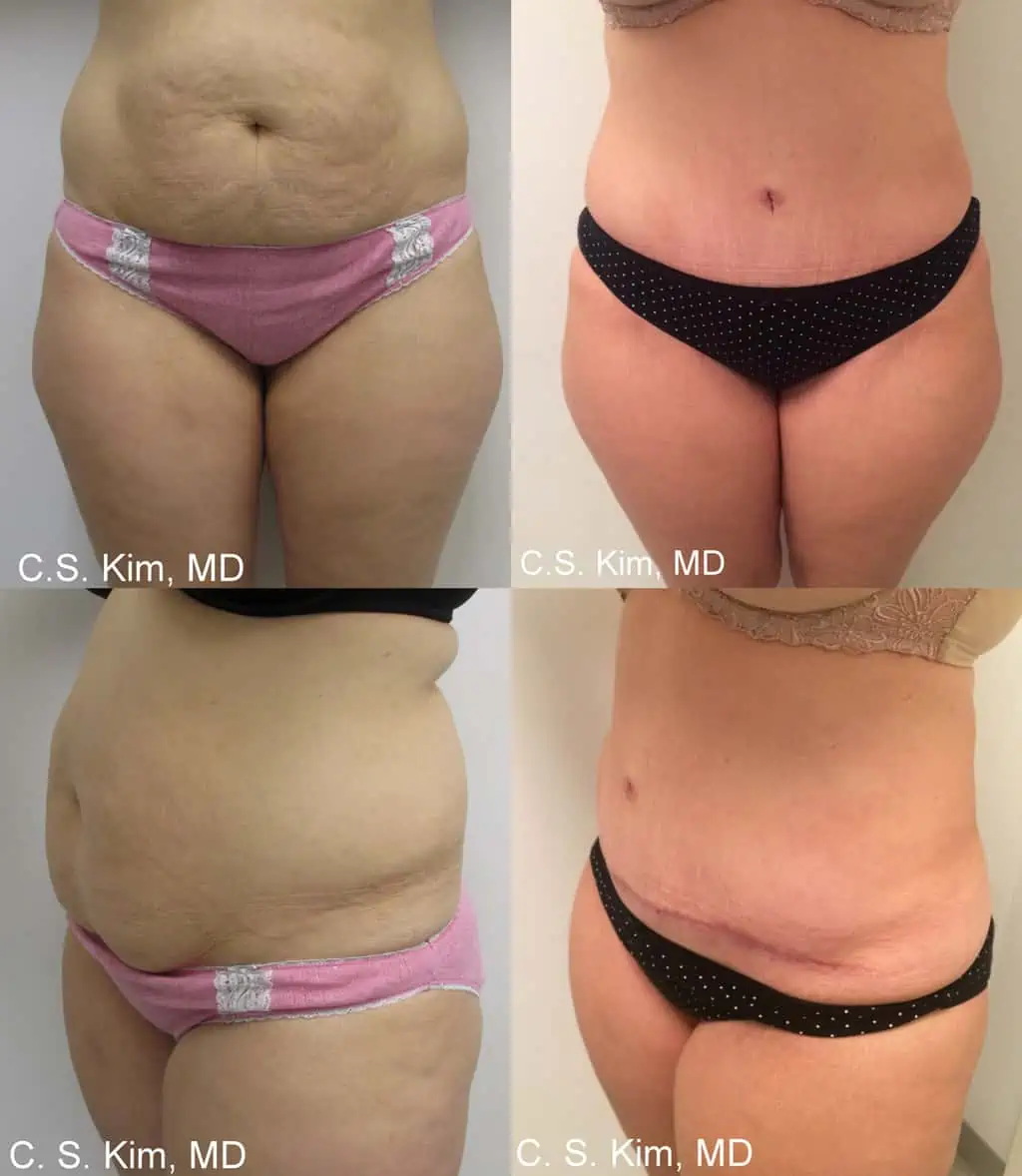
Tummy Tuck Recovery: What the First Few Weeks Look Like
Breast augmentation recovery is relatively quick compared to body contouring procedures, but it still requires care and patience. If your job isn’t physically demanding, you can usually return to work within three to seven days. Light exercise might be okay after a week, but heavy lifting is off-limits for about a month.
Your chest will feel tight and sore. The implants need time to settle into position, which can take up to three months. During that time, they might sit higher than you expected or feel unnaturally firm.
This is normal. Massage techniques—if we recommend them—can help, but only start when you’re cleared to do so.
Wearing a supportive bra or compression garment is non-negotiable. It minimizes swelling, supports healing tissue, and helps implants settle correctly. We’ll tell you exactly what to wear and for how long.
Follow that guidance. Skipping it or stopping early can affect your final shape.
Sleep position matters more than you think. We typically recommend sleeping elevated on your back for at least the first week, sometimes longer. This reduces swelling and keeps pressure off your chest.
If you’re a side or stomach sleeper, this adjustment can be frustrating. But it’s temporary and worth it.
Watch for warning signs. Severe pain that doesn’t respond to medication, one breast significantly more swollen than the other, or unusual discharge from incisions all warrant a call to our office. Infections are rare but need immediate attention.
Capsular contracture—when scar tissue tightens around the implant—can develop over time. Stay in touch with us during follow-ups.
Final results take time. Bruising fades in about two weeks. Swelling decreases noticeably by six weeks. But the full result—the shape, softness, and positioning you were aiming for—can take two to three months to fully emerge.
Common Recovery Mistakes That Slow Healing
Recovery isn’t just about what you should do. It’s also about what you shouldn’t. Some mistakes are obvious.
Others catch people off guard because they seem minor or unrelated to surgery. Nicotine is one of the worst offenders.
Smoking or vaping constricts blood vessels. It cuts off oxygen and nutrients your tissues need to heal. This slows wound closure, increases infection risk, and can lead to skin necrosis in severe cases.
If you quit before surgery, don’t start again until you’re fully healed. Even secondhand smoke can interfere.
Alcohol is another problem. It dilates blood vessels, increasing swelling and bruising. It’s also a blood thinner, which raises the risk of bleeding.
On top of that, it lowers your pain tolerance. It can interact badly with medications. Skip it entirely during the acute recovery phase.
Liposuction Healing: Managing Swelling and Compression
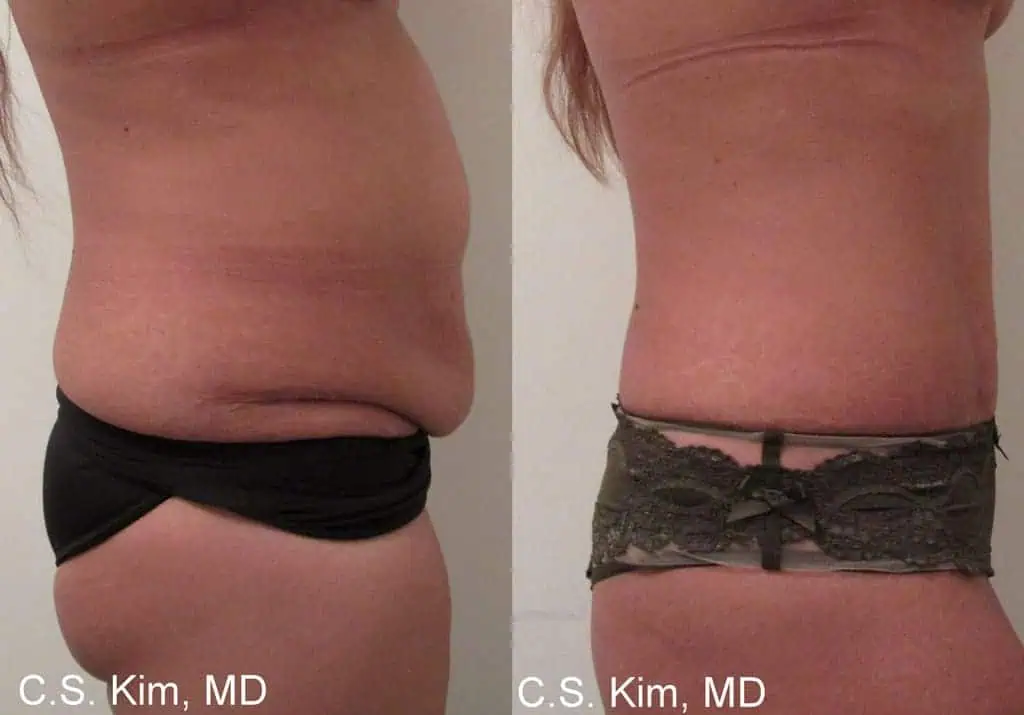
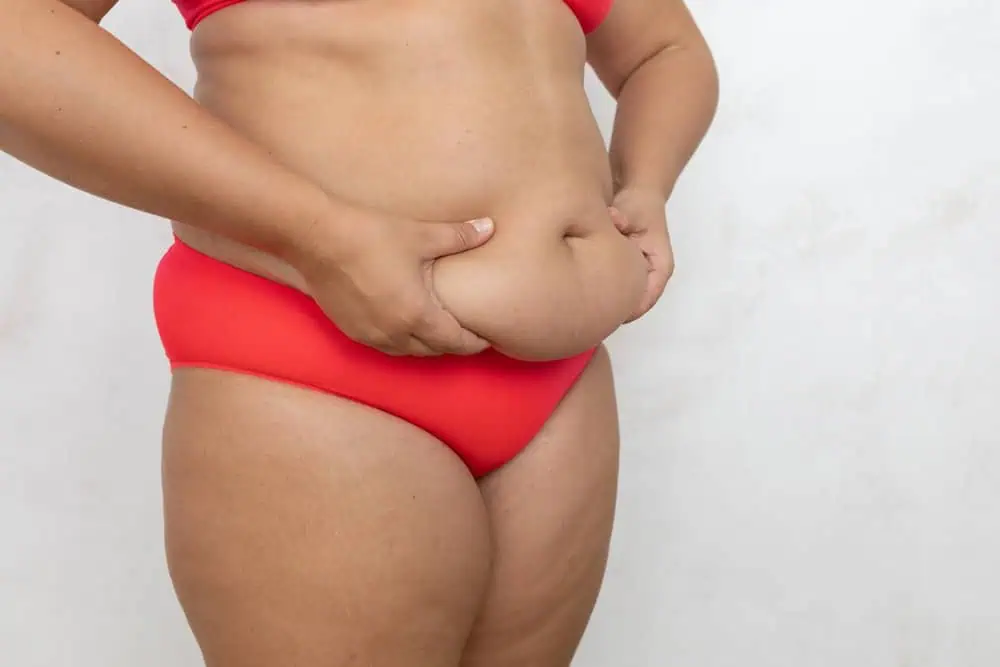
Liposuction recovery depends heavily on how much fat was removed and where. Small-area liposuction might have you back to light activities within a few days. Larger or multiple areas require more downtime.
Typically one to two weeks before returning to work. Four to six weeks before resuming strenuous exercise.
Swelling and bruising are inevitable. The first week is the worst. Your body is reacting to the trauma of fat removal, and fluid accumulates in the treated areas.
Some patients experience fluid drainage from incision sites in the first few days. This is normal as long as the fluid is clear to light yellow and doesn’t have an unusual odor.
Compression garments are critical for liposuction recovery. They minimize swelling, help skin contract smoothly over your new contours, and reduce the risk of seromas—fluid pockets that can form under the skin. We typically recommend wearing them continuously for the first week or two, then during the day for another four to six weeks.
Yes, they’re tight and uncomfortable. They’re also the difference between smooth results and uneven healing.
Movement helps, but there’s a balance. Light walking starting the day after surgery promotes circulation and prevents blood clots. But high-impact exercise, heavy lifting, and anything that significantly raises your heart rate should wait.
Usually around three to four weeks post-op. Until we clear you.
Results take time to show. Swelling can mask your final shape for weeks or even months. Most people see noticeable improvement by six weeks, but it can take three to six months for all swelling to resolve and your skin to fully retract.
Patience is hard when you’re eager to see results. Rushing the process doesn’t help.
Numbness in treated areas is common and usually temporary. Nerves were disrupted during the procedure and need time to regenerate. Sensation typically returns gradually over several weeks to months.
In rare cases, some areas may remain slightly less sensitive long-term. Massage can help once you’re cleared for it.
We sometimes recommend gentle massage a few weeks post-op. It smooths out any lumps or uneven areas and promotes lymphatic drainage. Always check with us before starting, as timing and technique matter.
Scar Care After Plastic Surgery: Silicone, Massage, and Sun Protection
Scars are inevitable with surgery, but how they heal is partly within your control. Good scar care starts early and continues for months. The goal isn’t to make scars disappear—they won’t—but to help them fade, flatten, and blend as much as possible.
Silicone is the only scar treatment with solid evidence behind it. Silicone sheets or gel hydrate the scar, reduce collagen overgrowth, and help scars flatten and fade faster than untreated scars. You can start using silicone once your incisions are fully healed and closed—no scabs, no open areas.
This is usually around two to four weeks post-op. Apply it consistently for at least eight weeks, though we often recommend continuing for three to six months for best results.
Scar massage works, but timing matters. Start too early and you risk reopening incisions. Start too late and you miss the window when massage is most effective.
We typically recommend beginning gentle massage around two to three weeks post-op, once incisions are fully closed. Massage twice daily for about 10 minutes using a moisturizing ointment like petroleum jelly or vitamin E oil to reduce friction. The goal is to gently break up scar tissue as it forms, preventing thick, raised scars.
Sun protection is non-negotiable for a full year. New scars are extremely sensitive to UV damage. Even brief sun exposure can cause permanent darkening or discoloration.
Use a mineral-based sunscreen with SPF 30 or higher on scars. Anytime they’ll be exposed to sunlight. Cover them with clothing when possible.
This isn’t optional if you want scars to fade as much as possible. Keep incisions moisturized in the early weeks.
Dry skin cracks and heals poorly. Use basic ointments like Aquaphor or Vaseline as we direct. Avoid fancy scar creams in the first few weeks—they often contain ingredients that can irritate healing skin.
Once you’re cleared, silicone-based products are your best bet. Don’t pick at scabs or try to speed healing.
Let scabs fall off naturally. Pulling them off increases scarring and infection risk. If you notice excessive redness, swelling, or discharge around incisions, give us a call.
These can be signs of infection or poor healing that need attention.
Healing Faster Starts With Knowing What to Expect
Recovery after cosmetic surgery isn’t about luck. It’s about preparation, patience, and paying attention to what your body’s telling you. Every procedure has its own timeline and requirements, but the fundamentals stay the same.
Rest when you need to. Move when you’re supposed to. Follow our instructions, and don’t ignore warning signs.
The first few weeks are the hardest, but they pass. Swelling goes down. Pain fades. Scars soften. And the results you invested in start to show.
If something feels off—pain that’s getting worse instead of better, swelling that won’t quit, unusual drainage—call us. It’s always better to check than to wait and hope it resolves on its own.
If you’re considering cosmetic surgery or already in recovery and have questions, reach out to Dr. CS Kim Plastic Surgery . We understand what you’re going through and can provide the guidance you need to heal well and get the results you’re looking for.