Summary:
What Is a Tummy Tuck and How Does It Work
A tummy tuck, medically called abdominoplasty , is a surgical procedure that removes excess skin and fat from your abdomen while tightening the underlying muscles. Think of it as addressing three layers: the skin that’s stretched beyond its ability to bounce back, the stubborn fat that lingers despite healthy habits, and the abdominal wall that may have weakened or separated.
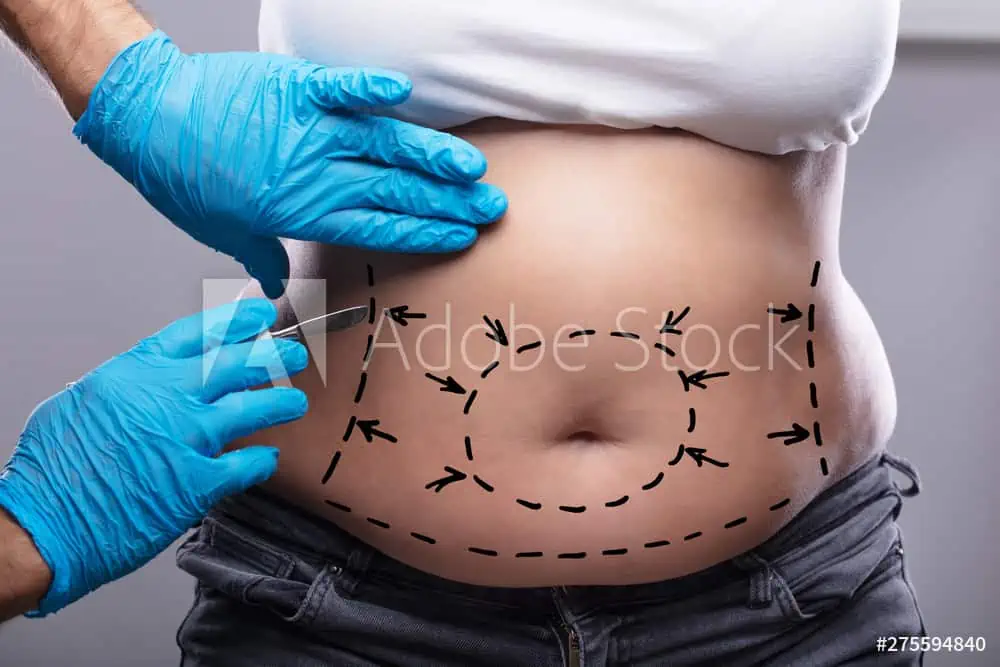
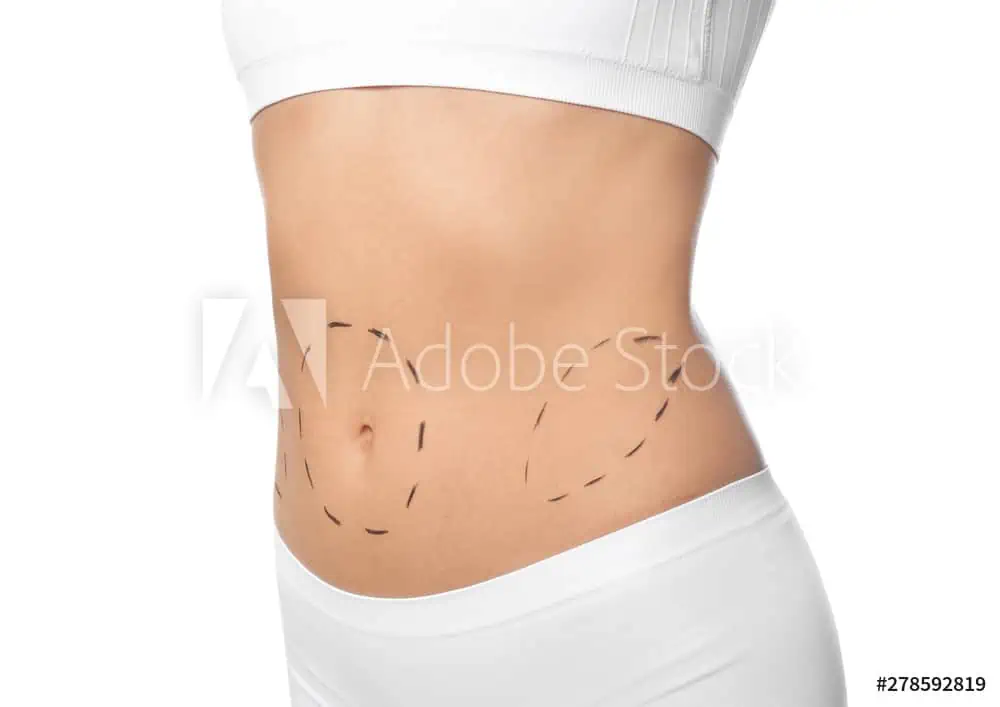
The procedure isn’t about weight loss. It’s about contouring and repair. During surgery, we make an incision low on the abdomen—typically placed where underwear or a bikini bottom would sit. Through this incision, we access the abdominal muscles, pull them tight, remove excess tissue, and redrape the remaining skin for a smoother, firmer result.
Most tummy tucks take two to four hours under general anesthesia. The specifics depend on how much correction you need and whether you’re combining the procedure with other techniques like liposuction.
Who Makes a Good Candidate for Abdominoplasty
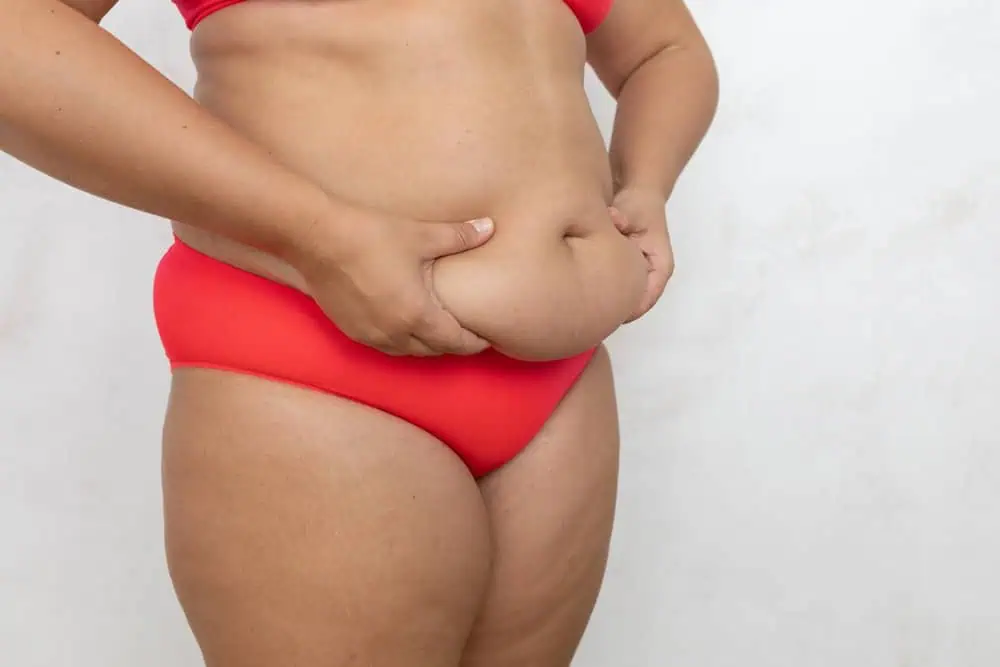
Good candidates are typically at or near their ideal weight but struggle with abdominal issues that won’t resolve on their own. You might be dealing with loose skin after pregnancy, stretched muscles that create a persistent bulge, or leftover skin following significant weight loss.
Post-pregnancy women often find themselves in this position. Even after losing the baby weight, the skin and muscles don’t always return to their original state. Diastasis recti—where the abdominal muscles separate during pregnancy—is incredibly common and creates that rounded, protruding look that exercise alone can’t fix.
If you’ve lost a substantial amount of weight, whether through lifestyle changes or medical intervention, you’re likely facing similar challenges. Your body has transformed, but the skin hasn’t caught up. That excess tissue isn’t going anywhere without surgical intervention.
Timing matters too. If you’re planning future pregnancies, it makes sense to wait. Pregnancy can reverse your results. Same goes if you’re still actively losing weight—stability is key. You should be a nonsmoker or willing to quit, as smoking significantly impacts healing. Overall good health is essential since this is a real surgery with real recovery demands.
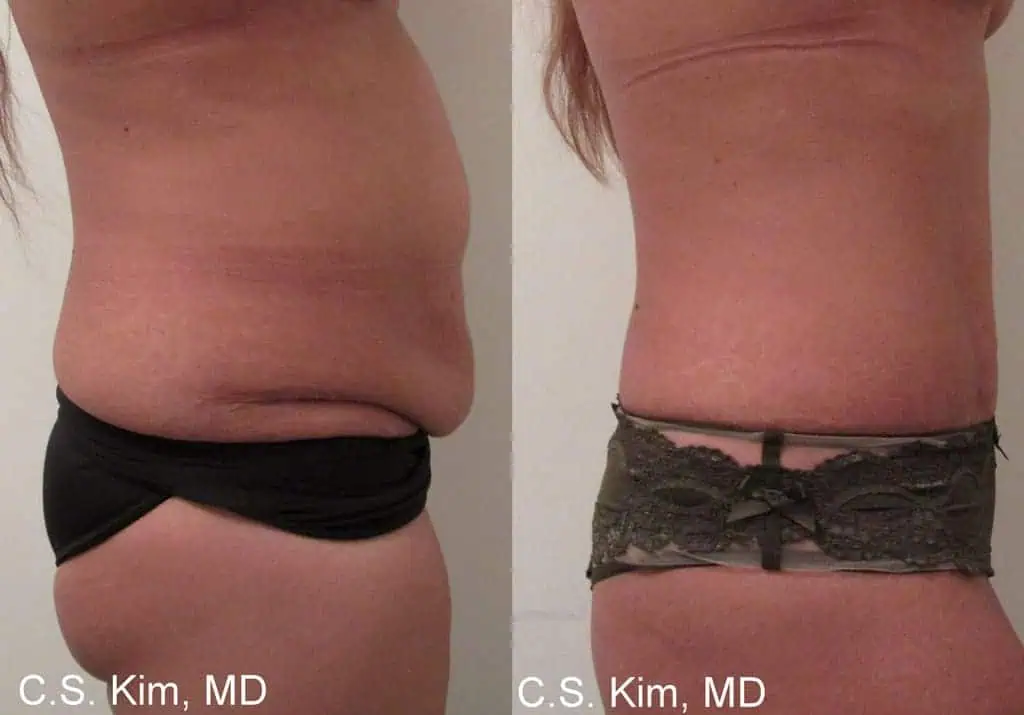
Your goals need to be realistic. A tummy tuck creates a flatter, firmer abdomen and can dramatically improve your silhouette. It won’t give you a six-pack or replace the need for healthy habits. It addresses what diet and exercise can’t touch—the structural issues beneath the surface.
Mini Tummy Tuck vs Full Tummy Tuck Differences
Good candidates are typically at or near their ideal weight but struggle with abdominal issues that won’t resolve on their own. You might be dealing with loose skin after pregnancy, stretched muscles that create a persistent bulge, or leftover skin following significant weight loss.
Post-pregnancy women often find themselves in this position. Even after losing the baby weight, the skin and muscles don’t always return to their original state. Diastasis recti—where the abdominal muscles separate during pregnancy—is incredibly common and creates that rounded, protruding look that exercise alone can’t fix.
If you’ve lost a substantial amount of weight, whether through lifestyle changes or medical intervention, you’re likely facing similar challenges. Your body has transformed, but the skin hasn’t caught up. That excess tissue isn’t going anywhere without surgical intervention.
Timing matters too. If you’re planning future pregnancies, it makes sense to wait. Pregnancy can reverse your results. Same goes if you’re still actively losing weight—stability is key. You should be a nonsmoker or willing to quit, as smoking significantly impacts healing. Overall good health is essential since this is a real surgery with real recovery demands.
Your goals need to be realistic. A tummy tuck creates a flatter, firmer abdomen and can dramatically improve your silhouette. It won’t give you a six-pack or replace the need for healthy habits. It addresses what diet and exercise can’t touch—the structural issues beneath the surface.
Tummy Tuck Recovery Timeline and What to Expect
Recovery isn’t a single moment—it’s a process that unfolds over weeks and months. Knowing what to expect at each stage helps you plan accordingly and avoid surprises.
The first week is the hardest. You’ll be sore, swollen, and moving carefully. Most people walk slightly bent at the waist initially because standing fully upright pulls on the incision. You’ll wear a compression garment to minimize swelling and support healing tissues. Pain medication helps manage discomfort, and you’ll need someone around to help with daily tasks.
By week two, things start improving. Many people return to desk jobs around this time, though you’ll still tire easily. Drains, if used, typically come out during this period. You’re moving more comfortably but still taking it easy.
When You Can Return to Exercise and Normal Activities
The return to normal life happens gradually, and pushing too hard too soon can compromise your results. Light walking is encouraged from day one—it helps with circulation and prevents complications. But that’s very different from your regular workout routine.
Around three to four weeks post-surgery, you can typically start introducing light exercise. Think gentle walks on an incline or stationary biking. Nothing that strains your core or gets your heart rate too elevated. Your body is still healing internally even if you’re feeling better on the outside.
The six-week mark is when we typically clear patients for full activity, including core-focused exercises and more strenuous workouts. Even then, you’ll want to ease back in rather than jumping straight to your pre-surgery intensity. Your abdominal muscles have been surgically tightened and need time to adapt to increased demands.
Some people feel ready earlier. Others need more time. Listen to your body and follow our specific guidance. We know what was done during your procedure and can tailor activity recommendations to your situation. Pushing too hard doesn’t speed recovery—it risks complications and can affect your final outcome.
The compression garment typically stays on for about six weeks total. It’s not the most comfortable thing, but it serves a real purpose in managing swelling and supporting your healing tissues.
Managing Pain, Swelling, and Healing During Recovery
Discomfort is expected, but it’s manageable with the right approach. We’ll prescribe pain medication for the first several days when discomfort peaks. After that, most people transition to over-the-counter options.
Swelling is part of the process and takes time to fully resolve. You’ll see immediate changes after surgery, but your final results won’t be apparent for several months as swelling gradually decreases. The three to six-month mark is when most swelling has subsided and you can truly see your new contours.
Incision care is straightforward but important. We typically use dissolvable sutures and waterproof dressings, so you can shower normally. Keeping the area clean and dry helps prevent infection. We’ll provide specific instructions tailored to our technique.
Drains might be placed during surgery to prevent fluid buildup. Not everyone needs them, and techniques vary. If you have them, they’re typically removed within seven to ten days. They’re not comfortable, but they serve an important purpose in your healing.
Watch for signs that something isn’t right: excessive pain that doesn’t improve with medication, redness or warmth around incisions, fever, or unusual discharge. These warrant a call to our office. Most recoveries go smoothly, but catching issues early matters.
Rest is underrated in recovery. Your body is doing serious work healing internally. Giving it the time and resources it needs—good nutrition, adequate hydration, plenty of sleep—supports better outcomes.
Combining Tummy Tuck with Liposuction for Enhanced Results
We routinely combine tummy tuck surgery with liposuction, and there’s good reason for it. While a tummy tuck addresses skin and muscle, liposuction targets fat deposits that might otherwise create contour irregularities or prevent optimal shaping.
This combined approach, sometimes called lipoabdominoplasty, allows us to sculpt your entire midsection. We can address the flanks, upper abdomen, and waistline in addition to the skin and muscle work happening during the tummy tuck. The result is more comprehensive contouring than either procedure achieves alone.
The technique requires specific expertise. Liposuction of the central abdomen during a tummy tuck must be done carefully to preserve blood flow to the abdominal skin flap. We use specialized approaches to maintain tissue health while achieving better definition.