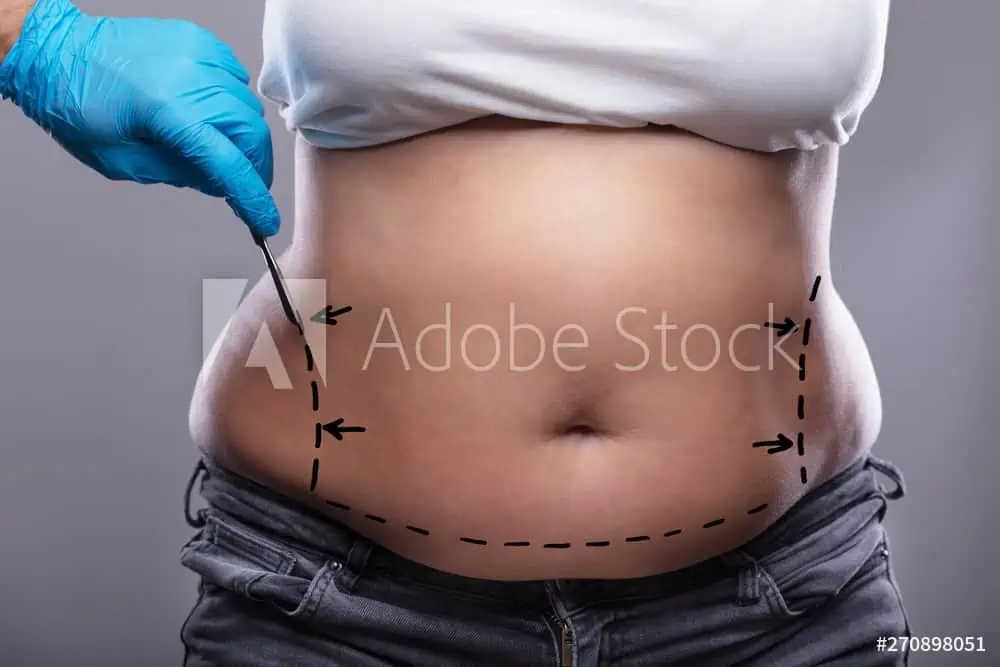
You worked hard to lose the weight. Maybe it took years. Maybe it took a major medical intervention. Either way, you got there — and now you’re looking in the mirror at skin that didn’t get the memo. That’s one of the most frustrating parts of major weight loss, and it’s something no amount of exercise or time is going to fix on its own.
A tummy tuck after weight loss is one of the most effective ways to address loose abdominal skin, but the timing matters, the candidacy criteria are more nuanced than most people realize, and the right surgeon makes a significant difference in what you walk away with. Here’s what you actually need to know.
Tummy Tuck Weight Loss Timing: When Is the Right Moment to Move Forward?
The most common question we hear is some version of: “I’ve lost the weight — can I do this now?” The honest answer is: it depends on how recently you lost it and whether your weight has genuinely stabilized.
The standard recommendation across the plastic surgery field is to wait at least six to twelve months after reaching your goal weight before pursuing abdominoplasty. This isn’t an arbitrary rule. Your body needs time to fully adjust after significant weight loss — skin contracts as much as it naturally will, your nutrition stabilizes, and your overall health parameters normalize. Going into surgery too soon means operating on a body that’s still in flux, which affects both safety and the quality of your results.
What Does “Weight Stable” Actually Mean Before a Tummy Tuck?
Weight stability doesn’t mean you’ve hit an exact number on a scale. It means your weight has plateaued — that you’re not actively losing or gaining, and that you’ve maintained that plateau for a meaningful period of time. Six months is a reasonable minimum. Twelve months is better, especially after bariatric surgery or GLP-1 therapy, where the body’s metabolic adjustment takes longer.
This matters for a few reasons. First, if you continue losing weight after a tummy tuck, you may end up with new loose skin that the procedure didn’t account for. Second, significant weight gain after surgery can stretch the repaired abdominal muscles and compromise the results you paid for. The goal is to go into the operating room at a weight you can realistically maintain — not your absolute lowest, not a temporary plateau.
If you’ve been using semaglutide or tirzepatide (Wegovy, Ozempic, Zepbound), there’s an additional consideration. We recommend stopping GLP-1 medications approximately two weeks before surgery. These drugs slow gastric emptying, which creates real anesthesia risk. It’s not a reason to avoid surgery — it’s just something that needs to be factored into your pre-operative timeline.
The waiting period isn’t wasted time. Patients who use it intentionally — staying consistent with nutrition, building core strength, quitting smoking if applicable, and optimizing their overall health — tend to heal faster and see better outcomes. Think of it less as a delay and more as a preparation window.
For patients throughout Fairfield County who’ve completed a medically supervised weight loss program or a GLP-1 protocol, we typically work alongside your prescribing physician to coordinate the pre-surgical timeline. The goal is a smooth handoff, not a gap in your care.
Does Your Skin Elasticity Affect Whether You’re a Tummy Tuck Candidate?
Yes — and this is something most online resources gloss over. Skin elasticity refers to your skin’s ability to contract and conform after the excess tissue is removed. It’s one of the factors we assess during a consultation, and it directly affects what your results will look like.
Patients who lost weight gradually over several years, or who are younger, tend to have better skin elasticity than patients who lost weight rapidly or who have significant sun damage. That said, poor elasticity doesn’t automatically disqualify you — it just shapes the conversation about what a tummy tuck can realistically achieve for your specific anatomy.
During a consultation, we look at the amount of excess skin, where it’s concentrated, the degree of muscle separation (called diastasis recti), and how the skin responds to manual assessment. This is why a consultation is genuinely necessary before any meaningful answer about candidacy can be given. Photos and measurements don’t capture everything.
One thing worth understanding: a tummy tuck is not just a cosmetic procedure for post-weight-loss patients. Many people dealing with significant loose skin also have diastasis recti — a separation of the rectus abdominis muscles that develops during pregnancy or significant weight fluctuation. No amount of core exercise closes that gap. Repairing it during an abdominoplasty restores both the appearance and the functional integrity of the abdominal wall, which affects posture, core strength, and daily comfort.
The technique we use — lipo-abdominoplasty — goes further than a standard tummy tuck by incorporating liposuction of the upper abdomen and flanks at the same time. This produces a flatter stomach and narrower waist than traditional abdominoplasty alone, and it’s particularly well-suited for post-weight-loss patients who have residual fat deposits alongside loose skin.
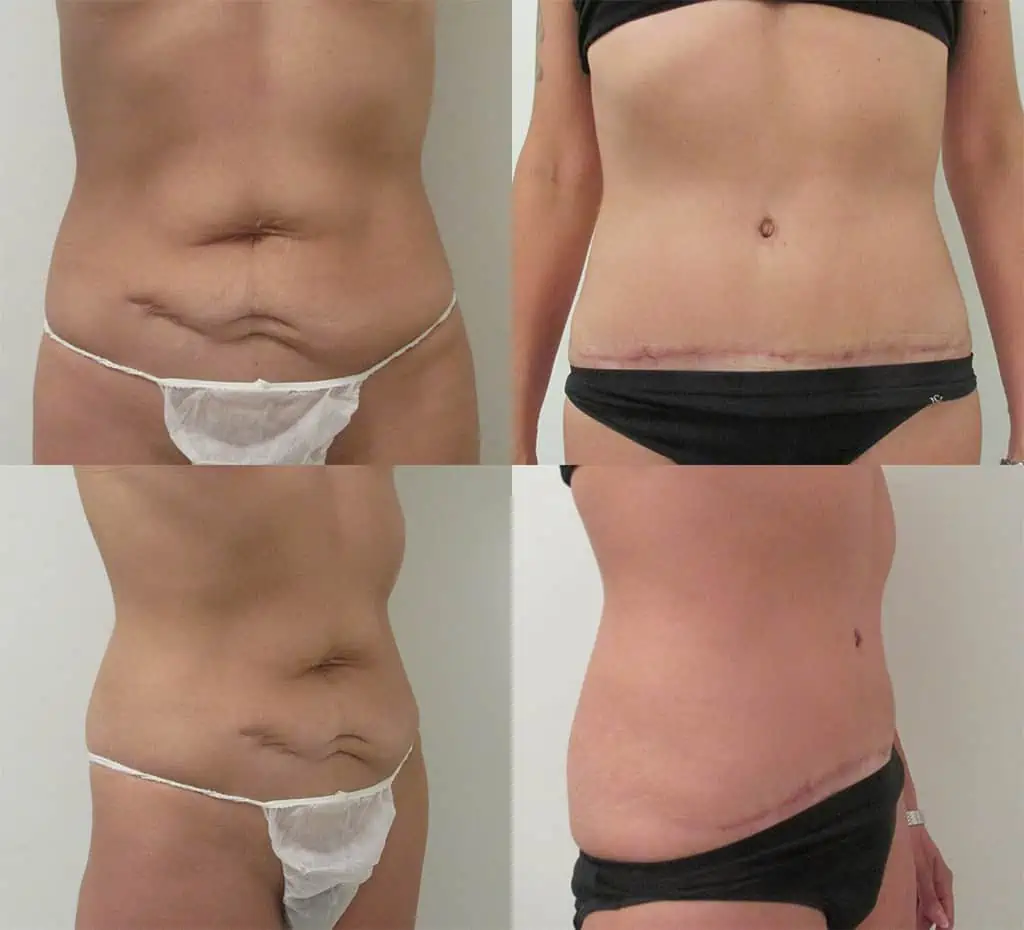
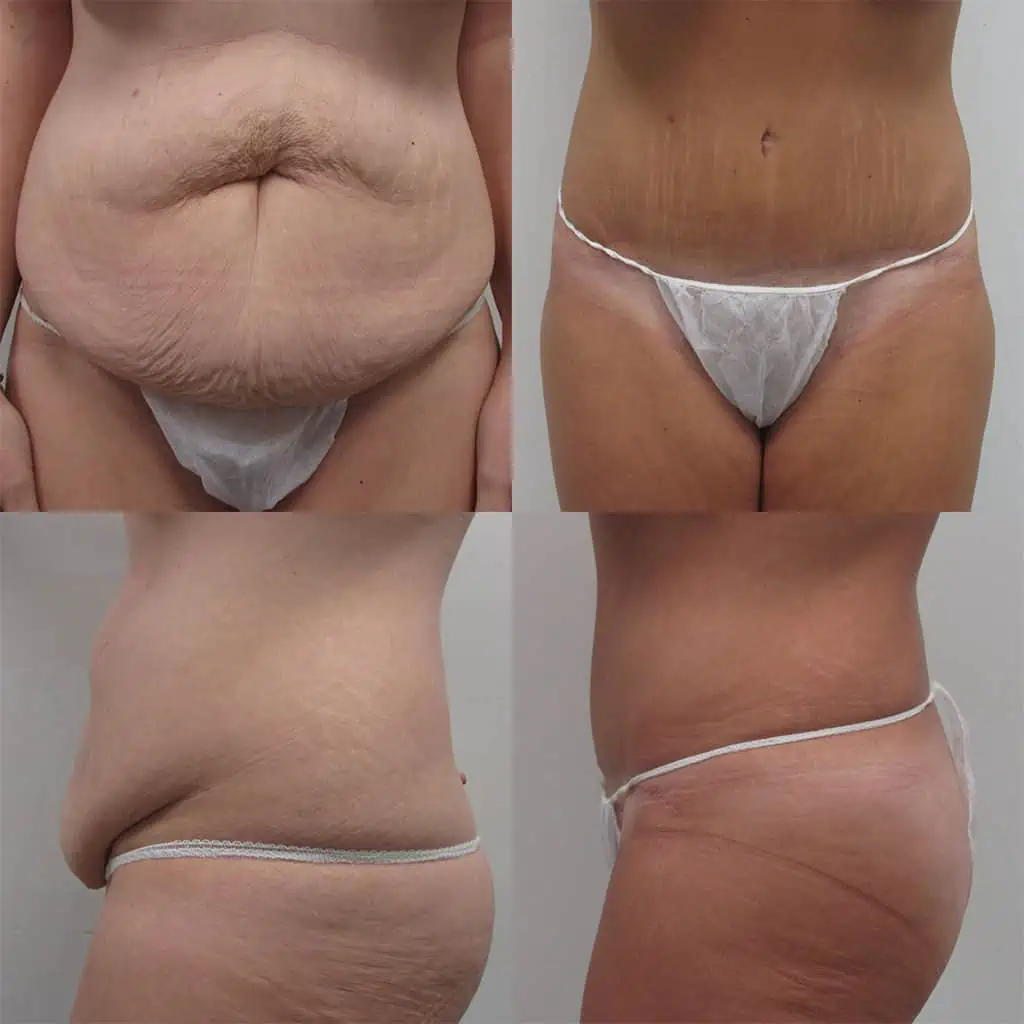
Plus Size Tummy Tuck Before and After: What Results Look Like for Larger Patients
There’s a persistent misconception that tummy tuck surgery is only for patients who are already at or near their ideal weight. That’s outdated thinking, and the research backs that up.
Studies published in Plastic and Reconstructive Surgery and referenced by the American Society of Plastic Surgeons have found that abdominoplasty can be safely performed in overweight and obese patients with no statistically significant increase in complications — provided the patient is properly evaluated and selected. This means we can work with a broader range of patients than many realize.
The evaluation is individualized. BMI is one data point, not the whole picture.
Overweight Tummy Tuck Before and After: What to Realistically Expect
For patients who are moderately above their ideal weight, the realistic outcome of a tummy tuck is meaningful improvement — not perfection, and not the same result as a patient who came in at a lower BMI. That’s an honest distinction worth making.
What a tummy tuck can do for a larger patient: remove the hanging skin panel that causes hygiene issues, rashes, and physical discomfort; tighten the underlying abdominal muscles; and produce a significantly flatter, more defined abdominal contour. What it won’t do: serve as a substitute for continued weight loss, or produce the same degree of definition as it would in a patient with less subcutaneous fat.
The goal of a consultation isn’t to talk you into or out of surgery — it’s to give you an honest picture of what your specific anatomy allows and what results are achievable for your body. Patients who come in with realistic expectations and a clear understanding of what the procedure does tend to be the most satisfied with their outcomes.
One thing that often surprises patients: the physical relief that comes with removing a large pannus (the overhanging skin fold) can be significant even before the aesthetic results fully set in. Patients describe feeling lighter, more comfortable in clothing, and less restricted in movement almost immediately after recovery. That functional improvement is real and often underappreciated in the conversation about candidacy.
We’ve performed before and after plus size tummy tuck cases on patients across a wide range of body types throughout Fairfield County — from Greenwich to Danbury, Westport to Bridgeport. The results vary by patient, and that’s exactly the point: the procedure is adapted to the individual, not the other way around.
Frequently Asked Questions About Tummy Tuck Candidacy After Weight Loss
**Can I get a tummy tuck if I’m still a few pounds from my goal weight?** Possibly, yes. If your weight has been stable for six or more months and you’re within a reasonable range of where you expect to stay long-term, that’s a conversation worth having. The key question isn’t whether you’ve hit an exact number — it’s whether your weight is genuinely stable and likely to stay that way. We evaluate this during your consultation rather than applying a rigid cutoff.
**What’s the maximum BMI for a tummy tuck?** Most surgeons work within a BMI range of 35 to 40 as a general upper limit, but this isn’t a fixed rule. Individual health status, the nature of your concerns, and your overall surgical risk profile all factor in. BMI alone should not be treated as a strict disqualifier. We look at the full picture during your evaluation.
**I lost weight on Ozempic — does that change my candidacy?** Not fundamentally, no. The same timing principles apply: wait for weight stability, plan for a two-week medication pause before surgery, and ensure your overall health is optimized. GLP-1 weight loss is real weight loss. For patients in Fairfield County who’ve gone through a GLP-1 program — whether through a local practice in Stamford, Greenwich, Westport, or elsewhere in the county — we’re seeing strong outcomes and can coordinate care with your prescribing physician.
**Will I need additional procedures on other areas?** Many post-weight-loss patients do have concerns beyond the abdomen — arms, thighs, and breasts are common areas that are also affected by major weight loss. We can discuss a comprehensive plan during your consultation. Some patients address everything in a single surgical session; others prefer to stage procedures over time. There’s no single right answer.
**How long is the recovery?** Most patients return to light activity within two to three weeks. Full recovery, with final results visible, typically takes three to six months. You’ll wear a compression garment for four to six weeks post-surgery, which helps with swelling and supports the healing tissue.
**Does insurance cover a tummy tuck after weight loss?** In most cases, no — abdominoplasty is considered a cosmetic procedure. A panniculectomy (removal of the hanging skin panel only, without muscle tightening or navel repositioning) may be covered if it’s causing documented medical issues like chronic rashes or infections. We can help clarify the distinction and discuss what may apply to your situation.
Ready to Talk About Your Tummy Tuck After Weight Loss? Here’s What Comes Next.
If you’ve done the hard work of losing significant weight and you’re now dealing with loose skin that exercise won’t fix, you’re not at the beginning of your journey — you’re near the end of it. A tummy tuck after weight loss, when the timing is right and the evaluation is thorough, can be the final step in a transformation you’ve already earned.
The most important thing you can do right now is have an honest conversation with a board-certified plastic surgeon who has real experience with post-weight-loss patients — not a generic consultation, but one where your specific anatomy, your weight history, and your goals are actually assessed.
We’ve been performing abdominoplasties throughout Fairfield County, CT for over 30 years, serving patients from Stamford and Greenwich to Norwalk, Westport, Darien, Ridgefield, and beyond. If you’re ready to find out whether you’re a candidate — and what results are realistic for your body — reach out to schedule a consultation with us.