You’ve done the work. You eat well, you stay active, and you still can’t get your stomach to look the way it did — or the way you want it to. For many women in Fairfield County, that’s not a motivation problem. It’s a structural one. Pregnancy, C-sections, and significant weight loss can change the abdominal wall in ways that no amount of Pilates or Barry’s Bootcamp will fix. A tummy tuck addresses those changes at the source. Here’s what real results look like, what the process actually involves, and what you should know before you schedule a consultation with us at Dr. CS Kim Plastic Surgery in Stamford, CT.
Tummy Tuck Before and After Female Results: What You’re Actually Looking At
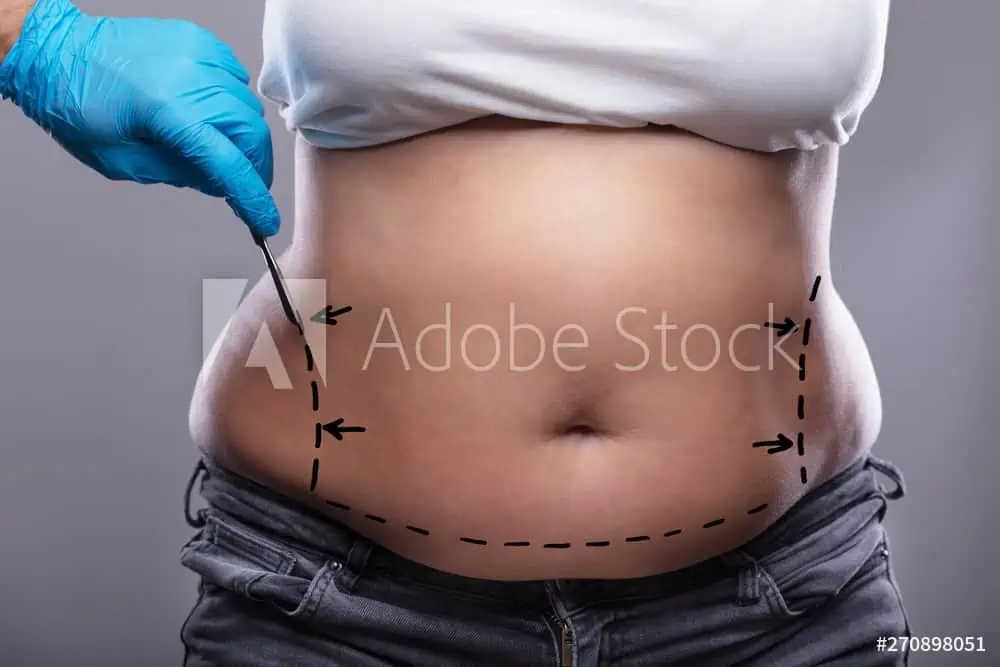
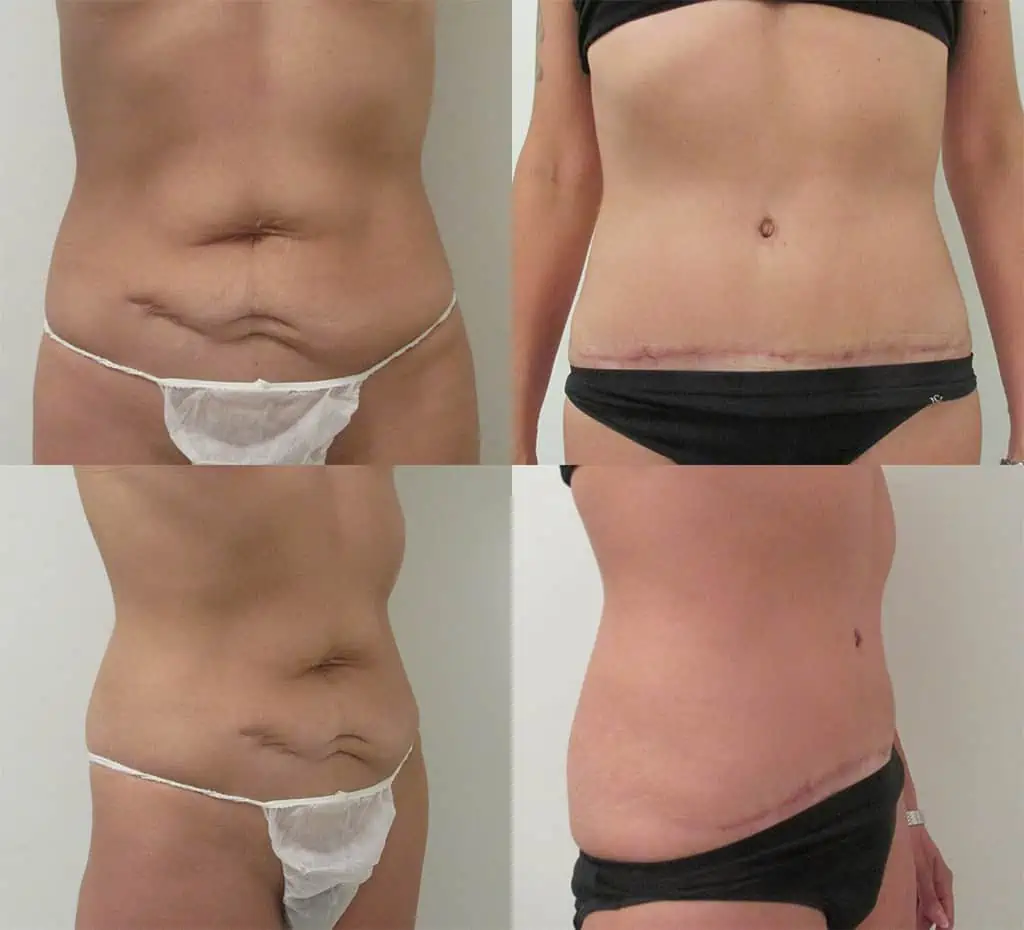
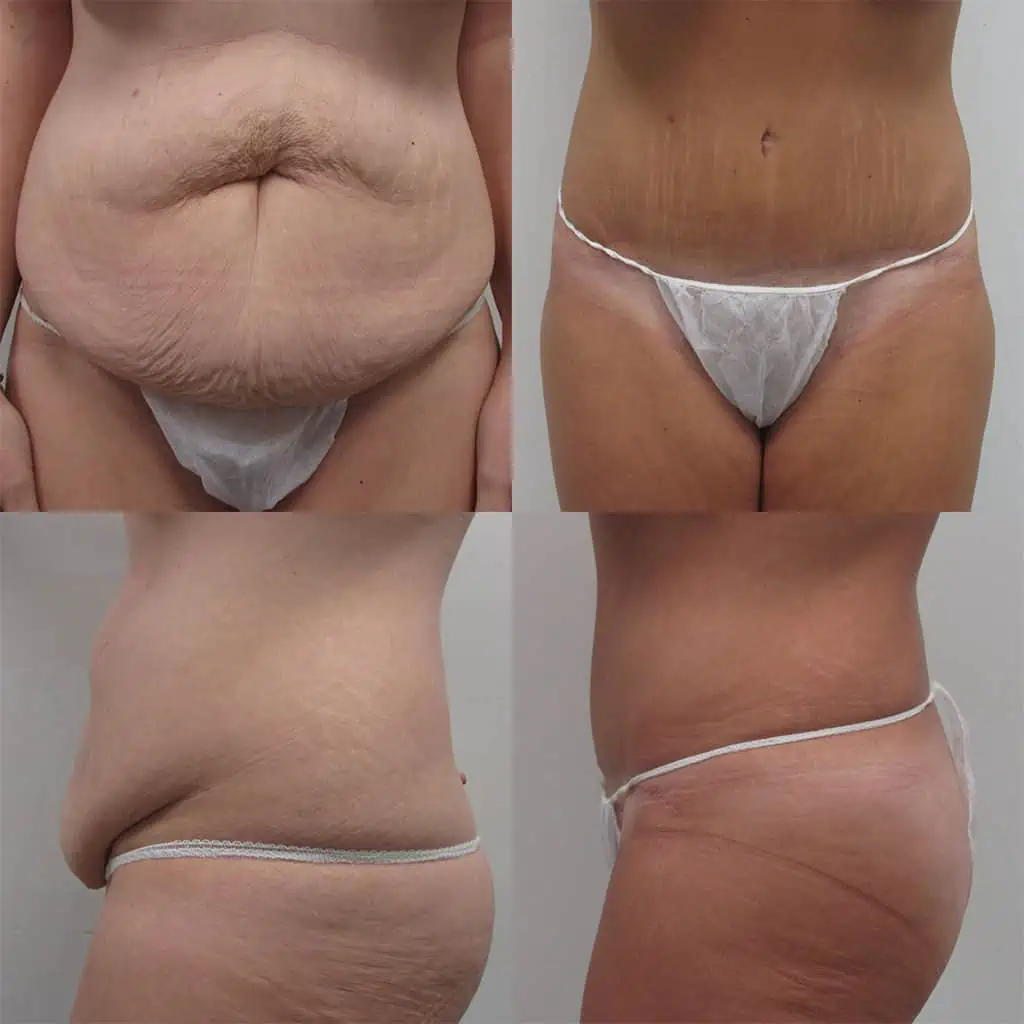
Before and after photos tell part of the story — but only if you know what to look for. A well-executed tummy tuck removes excess skin, repairs separated abdominal muscles, and repositions the belly button for a natural contour. The visible result is a flatter, smoother abdomen. What’s less obvious in the photos is the structural work underneath.
The muscle repair component — called rectus plication — is what separates a comprehensive abdominoplasty from a surface-level skin removal. For post-pregnancy patients especially, the “pooch” that persists despite exercise is often caused by diastasis recti, a separation of the rectus abdominis muscles that occurs during pregnancy. Suturing those muscles back together is a functional correction, not just a cosmetic one.
When you look at before and after images, you’re seeing the result of both layers of work: the skin and the structure beneath it.
C-Section Tummy Tuck Before and After: What Changes for Post-Pregnancy Patients
Post-C-section patients have a specific set of concerns that generic tummy tuck content rarely addresses directly. The horizontal scar from a cesarean often creates what’s sometimes called a “C-section shelf” — a fold of skin and tissue that sits above the incision line and doesn’t respond to diet or exercise. It’s one of the most common frustrations we hear from patients across Fairfield County, from Westport to Darien to Ridgefield.
During a tummy tuck, the existing C-section scar is typically incorporated into the new incision line — which means it’s removed entirely in most cases, not just covered. The new incision is placed low on the abdomen, within the natural bikini line, so it stays hidden under underwear and swimwear. The shelf of skin above the old scar is excised, the abdominal muscles are repaired, and the belly button is repositioned to sit naturally within the new contour.
What the before and after photos show for C-section patients is a smoother lower abdomen, the elimination of that overhanging fold, and a single, well-placed scar rather than the irregular, puckered line that many women carry for years after delivery. Results take time to fully develop — most patients see a clear preview of their outcome within two to three months, with final results settling in over six months to a year as swelling resolves and tissues mature.
Scar anxiety is real, and it’s worth addressing directly. In the first 12 weeks, the incision will look its most prominent. That’s normal. Over the following months, it flattens, lightens, and fades considerably. A year out, most patients are far more focused on the contour they’ve gained than the scar they’re healing.
For women in Fairfield County who’ve completed their families and are ready to address what pregnancy left behind, the C-section tummy tuck is one of the most impactful procedures we perform — precisely because it resolves both the cosmetic and structural changes at once.
Weight Loss Tummy Tuck Before and After: When the Skin Doesn’t Catch Up
Losing a significant amount of weight is an achievement. The frustration that follows — when loose, hanging skin prevents you from looking or feeling the way you imagined — is something many patients describe as feeling unfinished. The weight is gone. The skin isn’t.
This is increasingly relevant in Fairfield County, where access to GLP-1 medications like Ozempic and Wegovy has been high among the health-conscious, medically engaged population. Many patients who’ve lost 50 to 100 pounds through these medications or through bariatric surgery are now arriving at consultations with the same core issue: skin that has been stretched beyond its elastic capacity and will not retract on its own.
Post-bariatric and significant weight loss patients often require a more extensive approach than a standard abdominoplasty. Depending on how much skin is involved and where it’s distributed, an extended tummy tuck may be the right technique — one that addresses not just the front of the abdomen but also the flanks. The before and after results for this patient type tend to be dramatic, because the transformation involves removing a substantial volume of excess tissue that was affecting posture, comfort, and clothing fit, not just appearance.
Timing matters here. We generally recommend waiting until your weight has been stable for 12 to 18 months before body contouring surgery. Operating on a body that’s still losing weight can compromise results and require revision. The goal is to do this once and do it right.
What the before and after photos for weight loss patients show is a body that finally matches the effort behind it — a flatter, tighter abdomen and a silhouette that reflects the work that was done to get there. That’s a meaningful outcome, and it’s one we take seriously when planning each procedure.
Men’s Tummy Tuck Before and After: A Growing Conversation in Fairfield County
Male abdominoplasty doesn’t get talked about as much, but the demand is real and growing. Men who have lost significant weight, dealt with loose skin after years of fluctuation, or simply can’t shift stubborn abdominal tissue through training are increasingly seeking tummy tuck consultations — and getting results that hold up.
The procedure itself follows the same principles as it does for female patients: excess skin is removed, the abdominal wall is tightened, and the contour is refined. The incision placement and technique are adjusted for male anatomy and aesthetic goals, which typically prioritize a flatter, firmer midsection over the hourglass effect that female patients often seek.
What Do Male Tummy Tuck Results Actually Look Like?
The before and after results for male tummy tuck patients vary based on starting condition, but the most common cases involve men who have lost substantial weight and are left with an apron of loose skin across the lower abdomen, or men whose abdominal profile simply doesn’t reflect their fitness level due to excess tissue that exercise hasn’t addressed.
In before and after images for male patients, the most noticeable changes are the elimination of the lower abdominal overhang, a flatter overall profile, and a more defined waistline. For men who combine the procedure with flank liposuction — which we frequently recommend when the anatomy calls for it — the transformation in overall body shape can be significant.
Recovery for men follows a similar timeline to female patients. Most are back to desk work within two to three weeks, cleared for light activity around six weeks, and seeing a clear picture of their final result within three months. The full outcome — including final scar maturation — develops over the following six to twelve months.
One thing worth noting: male tummy tuck is genuinely underserved in the local market. If you’re a man in Fairfield County who’s been quietly researching this and wondering whether it’s even an option, the answer is yes — and you’re not alone in asking.
How Do You Know If You’re a Good Candidate for Abdominal Contouring?
The candidacy question comes up in almost every consultation, and it’s worth covering honestly because the answer isn’t always what people expect. The ideal tummy tuck candidate — male or female — is someone who is at a stable weight, not planning future pregnancies, a non-smoker (or able to stop before and after surgery), and in generally good health. That’s the clinical baseline.
What often surprises people is the weight stability requirement. You don’t need to be at your “goal weight” in some idealized sense — but you should be somewhere you can realistically maintain. Significant weight changes after surgery can stretch the skin again and affect your results. This is why we have an honest conversation about this during every consultation rather than just clearing people to proceed.
For Fairfield County patients who are mid-weight-loss journey — whether through GLP-1 medications, bariatric surgery, or lifestyle changes — the timing question is important. Booking a consultation now to understand what’s ahead, even if surgery is six to twelve months away, is a smart use of that appointment. You’ll leave with a clearer picture of what to expect and when the timing makes sense for your specific situation.
Future pregnancies are another factor. A tummy tuck repairs and tightens the abdominal wall — a subsequent pregnancy will stretch it again. We’re straightforward about this because we want your results to last. If there’s any possibility of future pregnancies, the honest recommendation is to wait.
For post-pregnancy patients who are done having children, post-bariatric patients who’ve reached a stable weight, and anyone dealing with excess abdominal skin that exercise hasn’t resolved, the consultation is where the real conversation starts. That’s where we look at your anatomy, understand your goals, and tell you exactly what’s achievable.
Thinking About a Tummy Tuck in Fairfield County, CT? Here’s Where to Start
The before and after photos are a starting point, not the whole picture. What they show you is that real, lasting change is possible — for post-pregnancy patients, C-section recoveries, significant weight loss transformations, and men who’ve never seen this option discussed openly. What they don’t show is the conversation that happened before surgery, the planning that shaped the approach, and the follow-up care that supported the healing.
That’s the part that actually determines your outcome. A tummy tuck done well addresses both the surface and the structure — and it starts with a surgeon who takes the time to understand what you’re dealing with before recommending anything.
If you’re in Stamford, Greenwich, Westport, Darien, Norwalk, or anywhere else across Fairfield County and you’re ready to have that conversation, reach out to us at Dr. CS Kim Plastic Surgery. The consultation is where the real information lives — and it’s the most useful step you can take right now.