The Brazilian butt lift has become one of the most talked-about cosmetic procedures in the country — and also one of the most misunderstood. Patients come in with questions ranging from “Is it actually dangerous?” to “Will I look fake?” to “Can I even afford this?” Those are all fair questions, and they deserve straight answers.
If you’re somewhere in Fairfield County — Greenwich, Westport, Darien, Stamford, or anywhere in between — and you’re seriously considering a BBL, this page is written for you. We’ll cover how the procedure works, what recovery actually looks like, what your non-surgical options are, and what separates a safe, skilled surgeon from a risky one.
Fat Transfer From Stomach to Buttocks: How BBL Actually Works
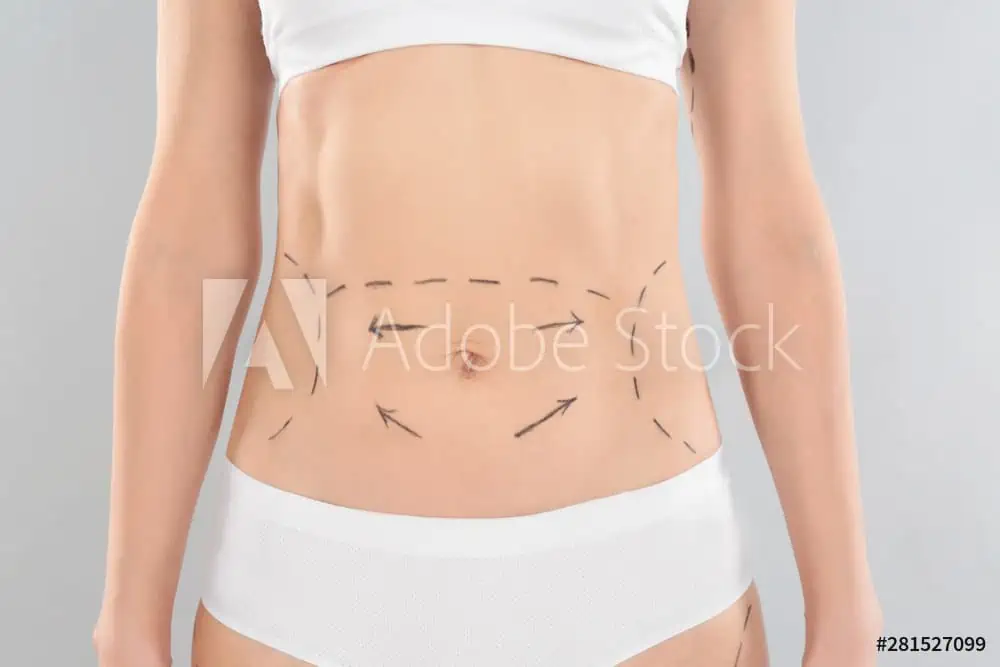
A Brazilian butt lift isn’t a butt implant procedure. It’s a fat transfer — which means the volume added to your buttocks comes from your own body, harvested through
liposuction from areas like your abdomen, flanks, or lower back. That’s actually one of the things that makes it appealing: you’re losing fat where you don’t want it and gaining shape where you do.
The fat is processed after removal to isolate the most viable cells, then carefully injected into the buttocks in small amounts, at multiple depths, to build a natural-looking contour. We use a subcutaneous injection technique — meaning fat is placed above the gluteal muscle, not into or below it. That distinction matters more than most patients realize, and we’ll explain why in the next section.
Fat Transfer to Buttocks: Why the Injection Technique Is a Safety Issue, Not Just a Style Choice
The primary risk associated with BBL — the one that generated national headlines — is pulmonary fat embolism. This happens when fat is injected too deeply, enters a blood vessel, and travels to the lungs. It’s rare when the procedure is performed correctly, but when it does happen, it’s often fatal.
The American Society of Plastic Surgeons estimated BBL mortality at approximately 1 in 3,000 procedures — a rate higher than any other elective cosmetic surgery. That number prompted a multi-society task force to establish new safety standards, and the consensus is clear: fat should be injected subcutaneously, above the muscle, using small cannulas and careful technique. Ultrasound guidance can further confirm the injection plane and reduce risk.
Here’s what often surprises patients: 92% of BBL-related deaths in a widely cited South Florida study occurred at budget clinics. Not at practices with unqualified surgeons in the traditional sense — at facilities that cut corners on technique, accreditation, and oversight. Board certification matters, but so does the facility where the procedure takes place and whether the surgeon is following current safety protocols.
When you come in for a consultation at our Stamford office, we walk through exactly how the procedure is performed, what precautions are taken, and what your individual anatomy means for candidacy and outcome. Patients from Greenwich, Westport, and Darien make that drive specifically because they want that conversation — not a rushed sales pitch.
How to Avoid Botched Plastic Surgery: What to Look for Before You Commit
The fear of ending up with a botched result is one of the most common things patients bring up during consultations. It’s a legitimate concern, and social media hasn’t helped — the extreme cases get shared, the natural-looking successes don’t.
The best protection against a poor outcome is choosing a surgeon who is board-certified by the American Board of Plastic Surgery (ABPS), holds hospital privileges, and performs the procedure in an accredited surgical facility. Those aren’t just credentials on paper — they represent independent verification that the surgeon has completed rigorous training, passed written and oral exams, and has institutional accountability. Any licensed physician in Connecticut can legally perform cosmetic surgery in an office setting, regardless of specialty. That’s exactly why credentials need to be verified, not assumed.
Beyond credentials, ask to see a before-and-after portfolio with at least 15 to 20 cases on body types similar to yours. Ask the surgeon to explain their specific injection technique and what safety protocols are in place. A surgeon who welcomes those questions and answers them clearly is a good sign. One who deflects or rushes past them is not.
Our philosophy has always been that cosmetic surgery should enhance your natural appearance — not transform you into someone unrecognizable. That approach tends to produce results patients are still happy with years later, rather than results they feel the need to correct.
BBL Before and After: What Results Actually Look Like Over Time
One of the most common misconceptions about BBL is that the results you see immediately after surgery are the final results. They’re not. In the first few weeks, there’s swelling, and the transferred fat is still establishing its blood supply. Between 30% and 60% of transferred fat cells will survive and become permanent — that’s a normal range, not a sign that something went wrong.
The phase patients often call “fluff and drop” happens between months three and six, when the remaining fat settles into its final position. That’s when you’re seeing the actual outcome. Judging results before that point sets up unrealistic expectations that lead to unnecessary disappointment.
Butt Lift Before and After: What a Strong Portfolio Actually Tells You
Before-and-after photos are one of the most useful tools you have as a patient — but only if you know how to read them. A gallery full of dramatic transformations on patients with a very different body type than yours doesn’t tell you much about what your result might look like. You want to see cases with similar starting points: similar height, weight, fat distribution, and skin tone.
Look for consistency across cases, not just the best-case examples. A surgeon who shows you a range of outcomes — including modest improvements, not just dramatic ones — is being honest about what the procedure can and can’t do. That honesty is a green flag.
Also pay attention to proportion. A well-executed BBL should look like the patient’s body was always shaped that way. If the results look grafted on or disproportionate, that’s worth noting. The goal is a silhouette that looks natural in clothes and out of them — not a result that announces itself.
Body Sculpting Before and After: When BBL Is Part of a Bigger Picture
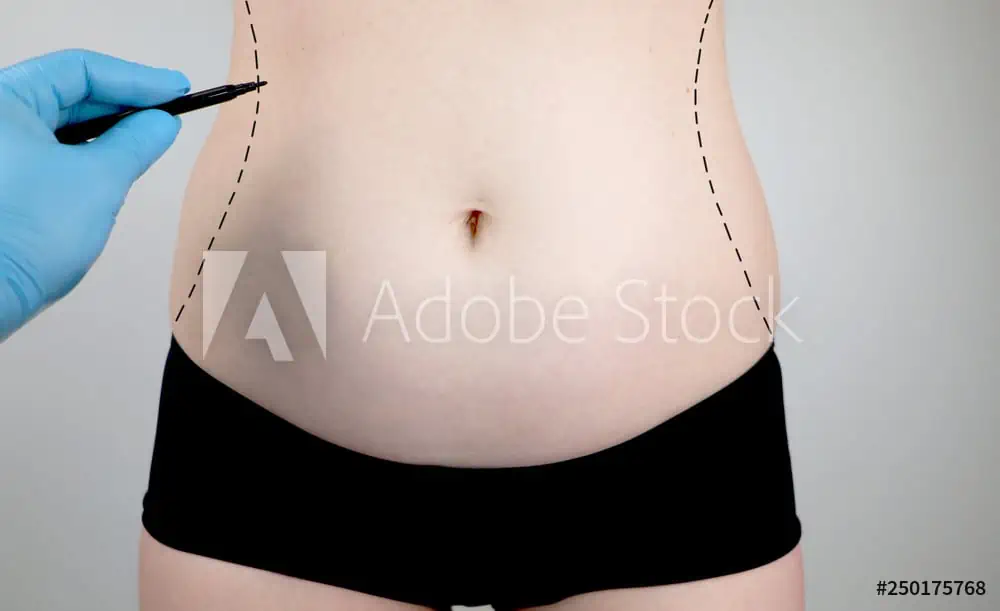
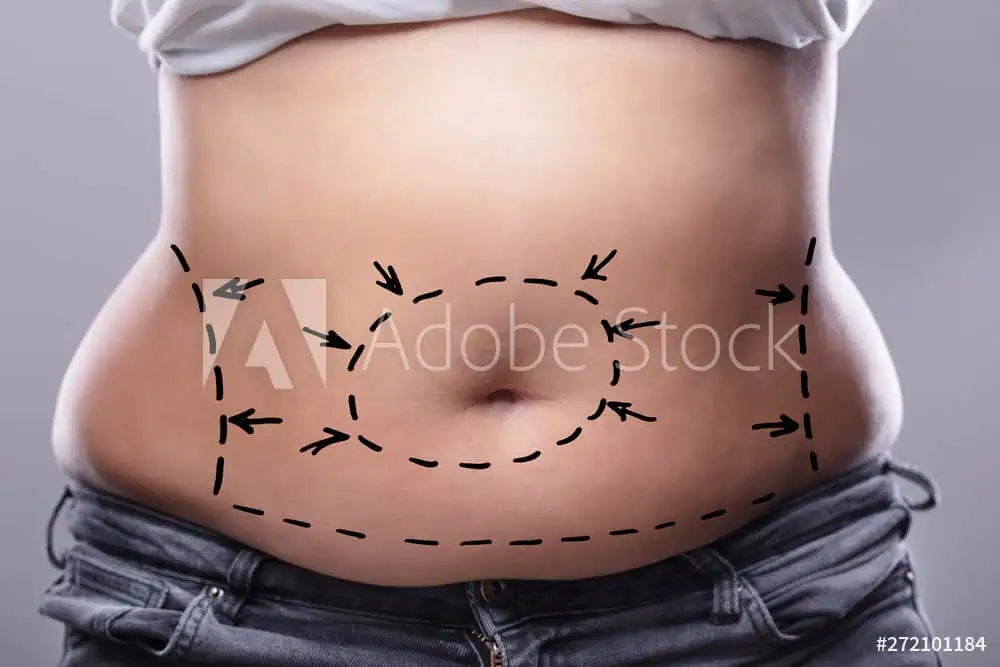
For some patients, a BBL is one piece of a broader body contouring plan. The liposuction performed to harvest fat for the transfer can reshape the abdomen, flanks, back, and thighs simultaneously — so you’re not just adding volume to the buttocks, you’re also refining the areas around it. That dual benefit is part of what makes fat transfer BBL a more comprehensive transformation than butt implants alone.
Patients who come to us from Norwalk, Trumbull, or Bridgeport sometimes arrive having done a tummy tuck or liposuction previously and are now interested in addressing the buttocks. Others are planning their first procedure and want to understand the full picture before deciding where to start. Either way, the consultation is where we figure out what combination of approaches makes the most sense for your anatomy and your goals — not a one-size-fits-all recommendation.
Choosing a BBL Surgeon in Fairfield County, CT: What It Comes Down To
Safety, technique, and realistic expectations — those three things determine whether a BBL experience is one you look back on positively or one you spend the next year trying to correct. The procedure itself, when performed by a board-certified plastic surgeon using current safety protocols in an accredited facility, carries manageable risk. The danger comes from cutting corners on any of those factors.
Fairfield County patients have access to excellent care without traveling to New York City or beyond. Our practice at 2777 Summer Street in Stamford serves patients from Greenwich to Danbury, from Westport to Milford, and across the border into Westchester — and we’ve been doing it long enough to know that the patients who are happiest with their outcomes are the ones who came in with good information and clear expectations.
If you’re ready to have a real conversation about whether a Brazilian butt lift is right for you, reach out to us. No pressure, no script — just an honest consultation with a board-certified surgeon who will tell you exactly what’s possible and what isn’t.