You train. You’re consistent. And there are still areas of your body that don’t reflect the work you’re putting in — a soft midsection that won’t quit, love handles that survive every cut, or a flat posterior that no amount of squatting seems to touch. That’s not a discipline problem. That’s anatomy.
Fat transfer is a surgical procedure that removes unwanted fat from one area and repositions it where your body actually needs more volume. It’s one of the few approaches that solves two problems at once — and it’s increasingly what men in Fairfield County are turning to when they’ve exhausted every other option.
Fat Transfer for Male Body Contouring: What It Actually Does
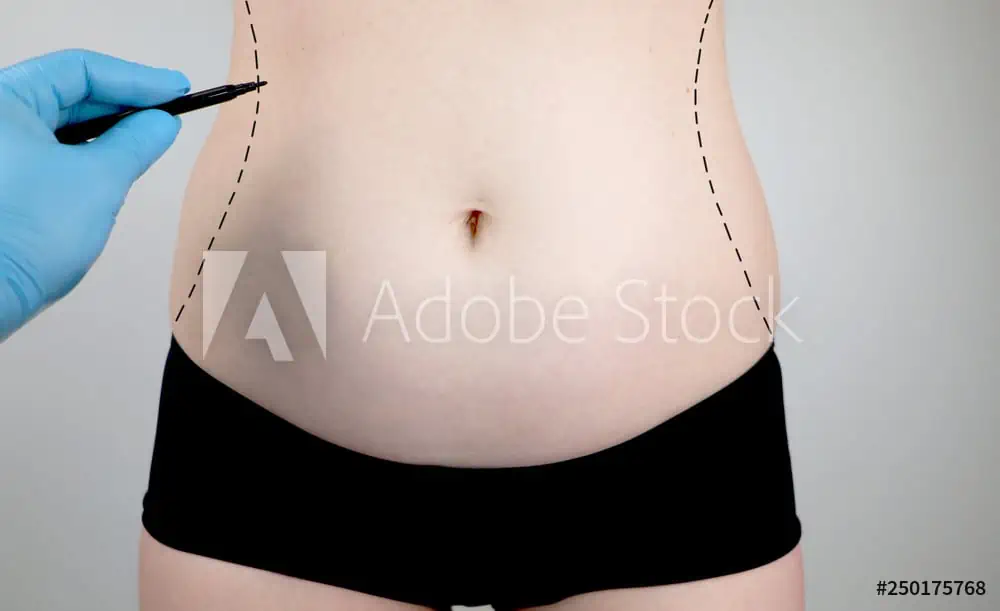
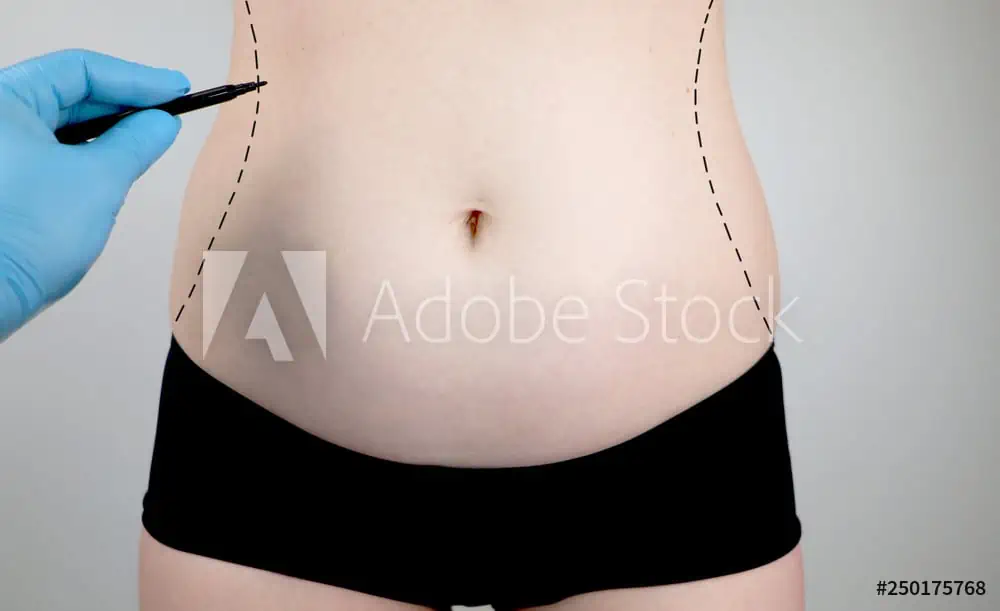
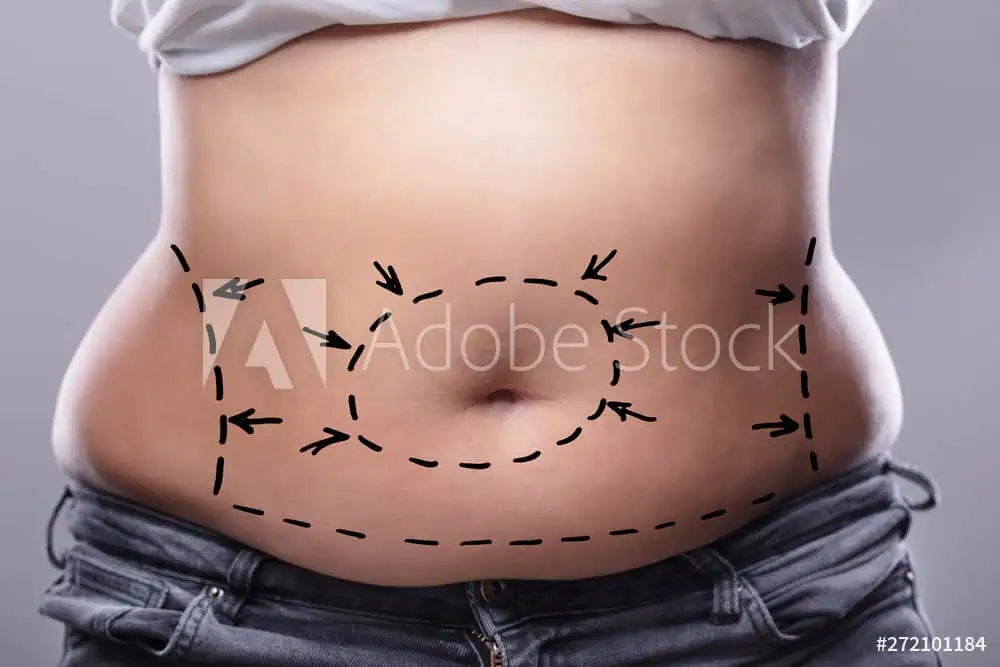
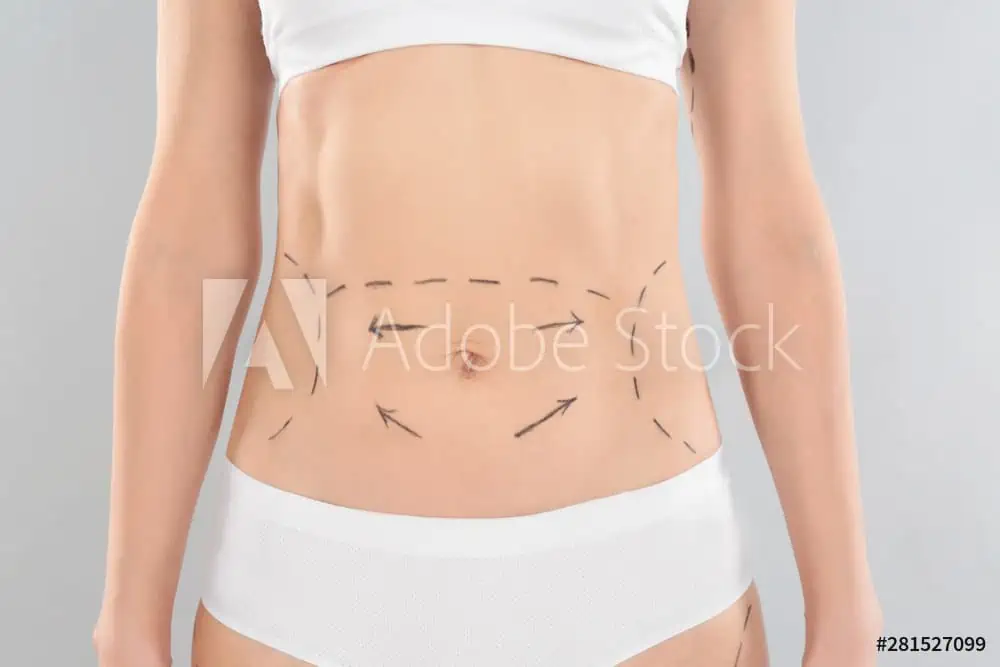
Fat transfer — sometimes called fat grafting — works in three stages. First, fat is removed from a donor area using liposuction, typically the abdomen, flanks, or lower back. That fat is then purified to isolate healthy, viable cells. Finally, it’s carefully reinjected into the target area in small amounts, layered throughout the tissue to give each cell the best chance of establishing a blood supply and surviving long-term.
The result is a body that’s simultaneously leaner where you don’t want fat and fuller where you do. For men, that usually means a flatter midsection paired with a more proportionate, athletic-looking posterior. The enhancement material is your own tissue — not an implant, not a filler — which is why results look and feel natural.
Fat Transfer to Buttocks for Men: How a Male BBL Is Different
The Brazilian Butt Lift has a reputation built largely around female patients — curves, volume, hourglass proportions. But the male version of the procedure is a different operation with different goals entirely, and it’s worth understanding what that actually looks like in practice.
For men, the objective isn’t roundness. It’s projection, firmness, and proportion. A flat or underdeveloped posterior can throw off the entire silhouette of an otherwise athletic body — making the upper body look disproportionately large, or simply giving the impression of a physique that’s unfinished. Fat transfer to the buttocks addresses that by adding volume in a way that reads as natural muscle fullness, not surgical augmentation.
The technique itself reflects those different goals. Injection placement, depth, and volume targets are calibrated to masculine anatomy. We’re not transferring the same amounts or targeting the same contours as a female procedure. The aim is a stronger, more balanced silhouette — and the results should look like you simply filled out your frame, not like you had a procedure.
One thing worth knowing: approximately 40% of transferred fat is typically reabsorbed by the body in the months following surgery. That’s normal, and it’s accounted for during the procedure by slightly overfilling the recipient area. The fat cells that do survive integrate permanently into the surrounding tissue. They become part of your anatomy. Results can last five to ten years or more when body weight stays reasonably stable — which, for men who are already training and watching what they eat, is usually not a stretch.
Safety is a fair thing to ask about. When the procedure is performed by a board-certified plastic surgeon following ASPS safety guidelines — specifically, injecting fat into the subcutaneous layer rather than the muscle, using ultrasound guidance, and adhering to established volume limits — the risk profile is very manageable. Technique and surgeon experience are the variables that matter most.
Liposuction vs. Fat Transfer for Men: Understanding the Difference
This is probably the most common comparison men make when they start researching body contouring, and it’s worth being direct about it: liposuction and fat transfer are not the same thing, but they’re not competing options either. They work together.
Liposuction removes fat and discards it. It’s the right choice if your only goal is reducing volume in a specific area — and it remains the most commonly performed cosmetic surgery in the United States. For men dealing with stubborn abdominal fat or flanks that don’t respond to diet, liposuction alone can produce a significant change.
Fat transfer uses liposuction as its first step, but instead of discarding what’s removed, we purify and reuse it. That distinction matters if you have areas that need reduction and areas that need more volume. If your goal is only to slim down a specific area, liposuction alone might be the right answer. If you want to simultaneously address a flat posterior, add definition to an area that’s genetically underdeveloped, or improve overall body proportion, fat transfer does something liposuction simply can’t.
The other thing worth noting: fat transfer uses your own tissue, which eliminates the risks associated with implants — no rejection, no foreign body response, no maintenance schedule. For men who want a more permanent improvement without introducing any synthetic material, that’s a meaningful distinction. Non-surgical fat reduction options, by contrast, can modestly reduce small deposits but can’t transfer volume anywhere. If you want both slimming and augmentation, surgery is the only path that actually delivers both.
How We Approach Male Body Sculpting at Our Stamford Practice
Dr. Chang Soo Kim is a board-certified plastic surgeon — certified by the American Board of Plastic Surgery, which requires a minimum of six years of post-medical-school surgical training, with at least three years specifically in plastic surgery residency. That credential matters because fat transfer outcomes are technique-dependent. The quality of the harvest, the purification process, the injection method, the placement — each step affects how much fat survives and what the final result looks like.
Our practice is located at 2777 Summer Street in Stamford, and we serve patients from across Fairfield County as well as Westchester County and the broader New York metro area. Men come to us from Greenwich, Darien, New Canaan, Westport, and Norwalk. For a lot of them, the appeal is straightforward: they don’t want to travel into the city for a procedure this personal.
What Male Patients in Fairfield County Are Actually Looking For
The men we see for fat transfer consultations are not, as a rule, people who’ve been sitting on the couch. Most of them are active. Many are in genuinely good shape. What brings them in is a specific frustration — a body part that doesn’t match the effort they’re putting in everywhere else, and a growing recognition that no amount of additional training is going to fix it.
Fairfield County has a particular version of this dynamic. The social calendar here — beach clubs in Westport and Darien, boating on Long Island Sound, summer weekends in Greenwich — creates real, concrete motivation to feel comfortable without a shirt on. That’s not vanity. That’s wanting to show up fully in your own life. And for men who’ve spent years trying to get there through the gym, the idea that a surgical solution exists is sometimes a relief rather than a last resort.
We also see a growing number of men who’ve lost significant weight — sometimes through GLP-1 medications — and are dealing with residual fat deposits that diet and medication simply won’t touch. Fat transfer can be a natural next step for that group: the weight is largely gone, but the body’s shape still doesn’t reflect what they’ve accomplished. Redistribution, in those cases, can finish what the weight loss started.
What men consistently want from us is the same thing regardless of their starting point: results that look like them, just better. Not a dramatic transformation that announces itself. Not a shape that reads as feminine or overdone. Something that looks like they got in the best shape of their life — because that’s what it should look like.
Common Questions Men Ask Before Booking a Fat Transfer Consultation
One question we hear often is about downtime: how long before you’re back at work, and when can you return to training? Most men are back to desk work within a week to ten days. Returning to the gym takes longer — typically four to six weeks before you can resume lower-body training, with full activity clearance usually around the six-week mark. It’s not a quick recovery, but it’s manageable, and the winter months in Fairfield County are genuinely ideal for it. You’re already in heavier clothing, outdoor social events slow down, and you have the time to heal without missing anything that matters before summer.
Another common question is about candidacy: do you need to have a lot of fat to be a donor? Not necessarily. Most men who carry any amount of fat in the abdomen, flanks, or thighs have enough to work with. Very lean men may have less flexibility in terms of how much can be transferred, and that’s something we discuss honestly in consultation. There’s no single threshold — it depends on your goals and your anatomy, which is why an in-person assessment matters more than any general guideline.
Men also ask whether the results will hold if their weight fluctuates. The honest answer is that modest fluctuations — the kind most active men experience seasonally — don’t significantly distort fat transfer results. The transferred fat cells behave like any other fat cells in your body: they respond proportionally to weight changes across the whole body. A significant weight gain would affect all areas, not just the treated ones. For men who are already maintaining a reasonably stable weight, this is rarely a concern in practice.
Finally, a lot of men ask whether this is something other men actually do. It is, and it’s growing. Male cosmetic surgery increased in 2024 per ASPS data, with lower body procedures showing the most notable rise. The stigma around men seeking body contouring has shifted considerably, particularly in areas like Fairfield County where the culture around health, fitness, and personal investment is already well established. You’re not the first person to walk through the door with this question, and you won’t be the last.
Is Fat Transfer the Right Option for Your Body Goals?
Fat transfer works best when the goal is specific — removing fat from one area and using it to improve proportion somewhere else. It’s not the right answer for everyone, but for men who’ve hit the ceiling of what training and diet can accomplish, it’s often the most direct path to the result they’ve been working toward.
The procedure is technique-sensitive, which means surgeon experience and credentials aren’t a formality — they’re the variable that most determines your outcome. Board certification, surgical training, and a genuine understanding of male aesthetic goals all matter here in ways they don’t with simpler procedures.
If you’re in Fairfield County and you’re seriously considering this, the next step is a consultation where we can look at your actual anatomy, talk through your goals honestly, and tell you what’s realistic. We’re here to help you get there.