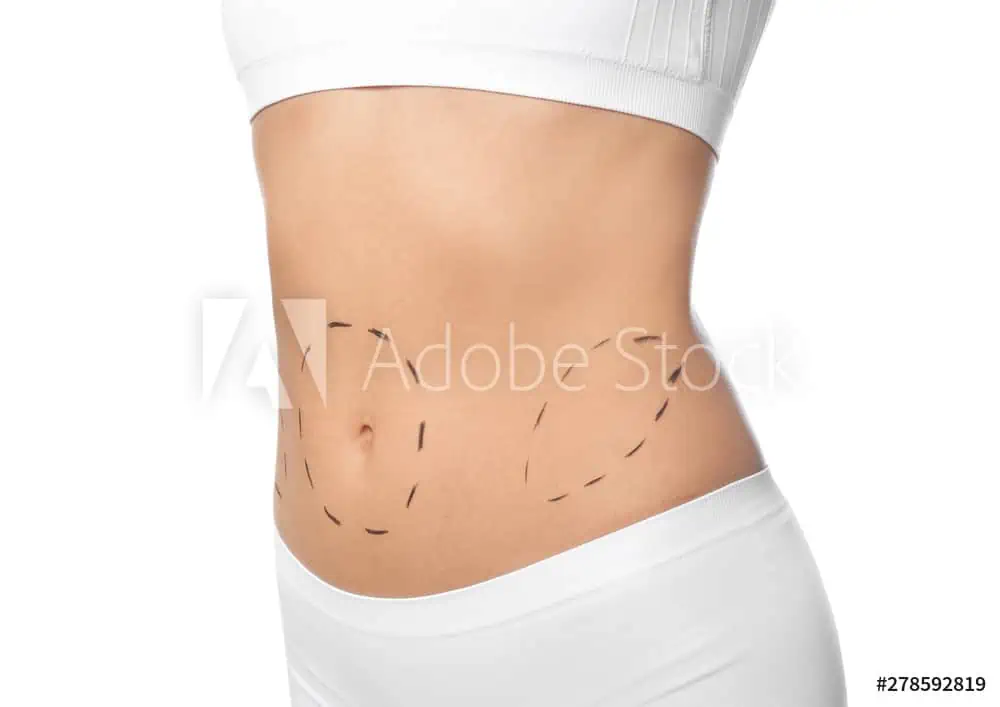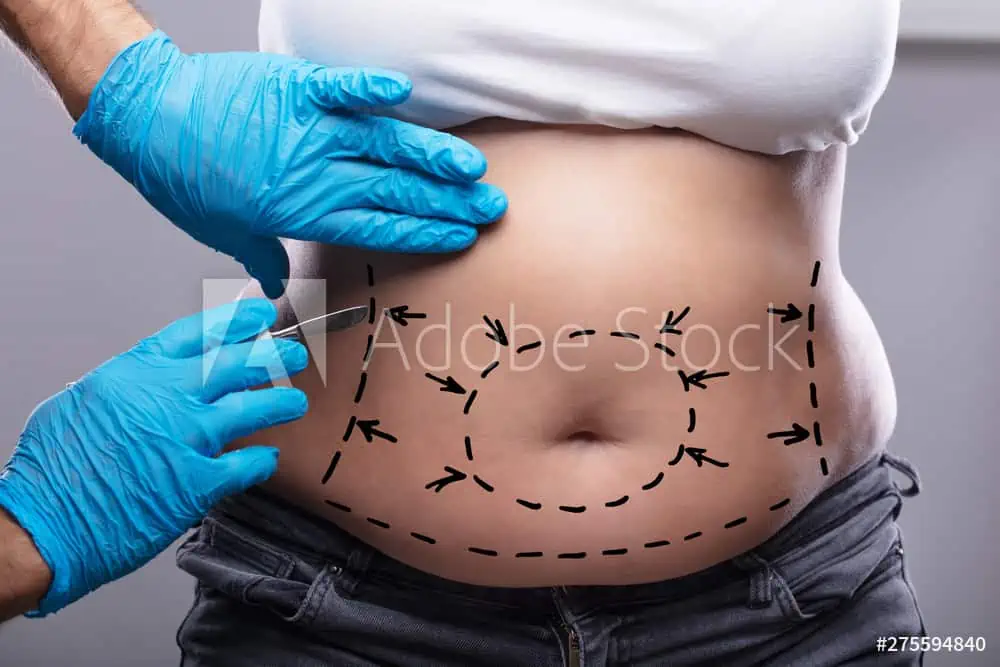
You eat well. You work out. And there’s still that one area — the lower belly, the love handles, the chin — that refuses to cooperate. It’s one of the most common frustrations we hear from patients across Fairfield County, and it has nothing to do with willpower or effort. Some fat is just stubborn by nature, and diet and exercise aren’t designed to spot-reduce specific areas. That’s exactly where nonsurgical fat reduction comes in. This guide walks you through how the leading technologies work, what they actually cost, and how to figure out which option makes the most sense for your body and your life.
How Nonsurgical Fat Reduction Technologies Work
The term “nonsurgical fat reduction” covers a broader range of treatments than most people realize. At its core, the goal is the same across all of them — damage or destroy fat cells in a targeted area so your body can gradually eliminate them. What differs is the mechanism: some use cold, some use heat, some use sound waves, and some use injectable chemistry. Understanding how each one works helps you have a much more productive conversation with your provider — and helps you spot the difference between a well-matched recommendation and someone just selling you what they have in the room.
The most widely recognized technology is cryolipolysis, better known by the brand name CoolSculpting. It works by cooling fat cells to a temperature that triggers their natural breakdown, without harming the skin or surrounding tissue. Your body then processes and eliminates those cells over the following weeks. It’s FDA-cleared, backed by extensive clinical data, and currently the most popular body contouring treatment in the world. That said, it’s not the only option — and for some patients, it’s not the best one.
Nonsurgical Fat Removal Cost: What to Expect Before You Book
Cost is usually the first practical question, and it’s a fair one. The honest answer is that it depends — on the technology, the treatment area, how many sessions your anatomy requires, and who’s performing the procedure. What we can tell you is that the American Society of Plastic Surgeons puts the average cost of a single nonsurgical fat reduction session at around $1,157, but a full treatment plan covering multiple areas typically runs between $2,000 and $4,500 for CoolSculpting alone.
For context, a single CoolSculpting session targeting the flanks or abdomen generally runs between $1,200 and $1,800 per area. A full abdominal treatment — upper and lower belly together — often requires four to six cycles and can range from $2,000 to $4,000. Arms run roughly $650 per arm. Inner and outer thighs combined can reach $2,000 to $4,000 depending on the number of applicator placements needed.
It’s also worth knowing that most patients need more than one session per area to reach their goal. The 25% fat cell reduction that CoolSculpting can achieve per session is meaningful, but if you’re targeting a significant deposit, two or three rounds may be part of a realistic plan. A provider who tells you one session will handle everything without even seeing your body isn’t giving you the full picture. We always build treatment plans around what we actually see in consultation — not around a standard package.
One more thing worth mentioning: nonsurgical fat reduction is almost never covered by health insurance. It’s an elective cosmetic procedure, and you should plan for it as an out-of-pocket investment. Financing options like CareCredit are available and can make the cost more manageable if that’s a concern.
Under Chin Fat Removal Cost and Stomach Fat Removal Cost: A Closer Look at the Two Most Requested Areas
The double chin and the lower belly are, by far, the two areas patients ask about most. Both respond well to nonsurgical treatment — but they use different technologies and carry different cost profiles, so it’s worth addressing them separately.
For under-chin fat removal, Kybella is the most targeted option available. It’s the first and only FDA-approved injectable specifically designed to destroy fat cells beneath the chin. The active ingredient is deoxycholic acid, a naturally occurring molecule that breaks down fat on contact. Once those cells are gone, they can’t store fat again — which makes the results genuinely permanent in the treated area, assuming your weight stays reasonably stable. Most patients need two to four treatment sessions spaced about a month apart. The cost per session typically ranges from $600 to $1,200, depending on how many vials are used and the extent of the submental fat. For patients with a modest double chin, total treatment investment often falls between $1,200 and $2,400. For more pronounced cases, it can run higher.
CoolSculpting’s CoolMini applicator is also an option for submental fat and runs approximately $1,000 per application, with most patients needing one to two applications. Some patients prefer it because there’s no injection involved. The right choice between Kybella and CoolMini often comes down to anatomy and personal preference — something worth discussing in a consultation rather than deciding from a website.
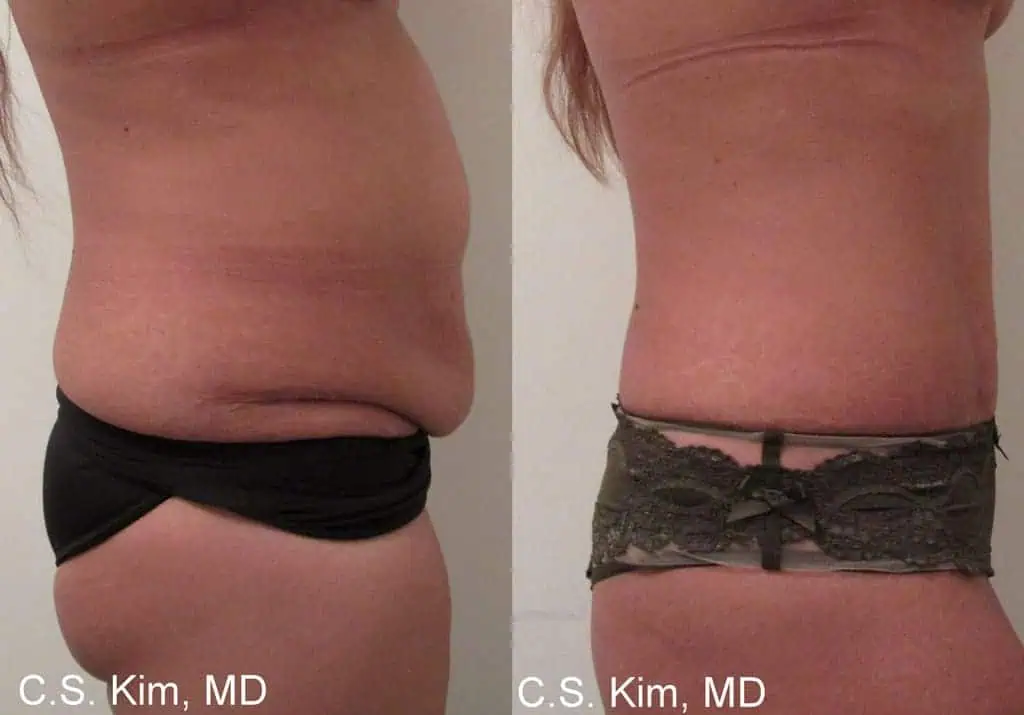
For the stomach, the math is a bit more involved. The abdomen is one of the larger treatment areas, and it’s rarely addressed with a single applicator placement. A full abdominal treatment — covering both the upper and lower belly — typically requires four to six CoolSculpting cycles and costs between $2,000 and $4,000. If you’re also addressing the flanks at the same time, which many patients do because the two areas are visually connected, the total plan can reach $4,000 to $6,000 or more. Results begin to appear around three to four weeks post-treatment, with the full outcome visible at the one-to-three-month mark.
For patients with both abdominal fat and some skin laxity, CoolSculpting alone may not address everything. Radiofrequency technologies like BodyTite — which we offer at our Stamford practice — work differently. They use bipolar RF energy to heat and disrupt fat cells while simultaneously stimulating collagen production, which tightens the skin as the fat reduces. It’s a meaningful distinction for patients who’ve noticed that the skin in the treated area isn’t as firm as it once was.
What Makes the Right Provider Different in Fairfield County
Fairfield County has no shortage of places offering body contouring treatments. From Greenwich to Westport to Stamford, you’ll find medical spas, dermatology offices, and standalone studios all advertising CoolSculpting and similar procedures. The technology itself is often the same. What differs — and what matters more than most patients initially realize — is who’s evaluating you, who’s overseeing your treatment, and what happens if something doesn’t go as expected.
At our practice on Summer Street in Stamford, every patient is seen by Dr. Chang Soo Kim, a board-certified plastic surgeon with over 25 years of experience and a Yale School of Medicine education. That’s not a credential we mention to impress you — it’s relevant because it changes the nature of the consultation. Dr. Kim can evaluate your anatomy across the full spectrum of options, surgical and non-surgical, and give you an honest recommendation rather than one limited to what a particular spa happens to offer.
Why Fairfield County Patients Prioritize No-Downtime Body Contouring
If you’re commuting into the city on Metro-North, managing a household in Darien or Westport, or running a business out of Stamford, the idea of taking two weeks off for surgical recovery simply isn’t realistic for most people. That’s one of the biggest reasons nonsurgical fat reduction has found such a strong following in this part of Connecticut. You come in, you have your treatment, and you go back to your day. There’s no compression garment to wear for weeks, no time off work, no one at school pickup asking why you’re walking slowly.
That said, “no downtime” doesn’t mean no patience. The results from cryolipolysis and similar treatments build gradually over four to twelve weeks as your body processes the treated fat cells through its lymphatic system. Patients who book in January or February are typically seeing their full results right around Memorial Day — which, if you spend your summers at Compo Beach or Tod’s Point, is exactly the timing you’d want. We see this pattern every year in our Stamford practice, and we plan treatment timelines with it in mind.
What we tell every patient is this: nonsurgical fat reduction works best when you’re already close to your goal weight and dealing with a specific, localized deposit that hasn’t responded to exercise. It’s not a weight-loss tool. It’s a contouring tool. For patients who fit that profile — and many Fairfield County patients do, given the active, fitness-oriented culture here — the results can be genuinely satisfying. For patients who need more significant change, or who have meaningful skin laxity alongside the fat, we’ll tell you that honestly and walk you through what would actually serve you better.
When Is Surgical Fat Removal the Better Investment
This is a question most non-surgical providers won’t answer directly, because they don’t offer the alternative. We do, which is why we can give you a straight answer.
Nonsurgical fat reduction is a strong fit when the fat deposit is localized, the skin has reasonable elasticity, and you’re looking for a gradual improvement without any recovery period. For a lot of patients — particularly those in their 30s and 40s who are otherwise fit but carrying a stubborn pocket of fat — it delivers exactly what they’re looking for.
But there are situations where surgery is genuinely the better investment. If you have a larger volume of fat than a few sessions of CoolSculpting can meaningfully address, laser liposuction will produce a more dramatic result in a single procedure. If you have post-pregnancy changes that involve both fat and loose abdominal muscle, a tummy tuck addresses the structural issue that no non-surgical technology can touch. If you have significant skin laxity — the kind where the skin itself, not just the fat beneath it, is the primary concern — a surgical approach will outperform any non-invasive option.
The reason this matters for Fairfield County patients specifically is the investment calculation. A multi-area, multi-session nonsurgical plan can run $6,000 to $10,000 or more. Liposuction, depending on the areas treated, often falls within a comparable range — and delivers a more comprehensive result in a single procedure with a defined recovery. For some patients, the math and the outcome both point toward surgery. We’d rather tell you that upfront than have you spend thousands on non-surgical treatments that were never going to get you where you wanted to go.
This is the conversation you can only have with a provider who offers both. It’s one of the reasons patients drive from Greenwich, New Canaan, and even across the Westchester County line to consult with Dr. Kim — not because we’re selling a particular treatment, but because we can actually help you figure out the right one.
How to Choose the Right Nonsurgical Fat Reduction Treatment for Your Body
The best nonsurgical fat reduction treatment isn’t the most popular one or the one with the most advertising behind it — it’s the one that matches your anatomy, your goals, and your timeline. That determination requires an honest look at where you’re starting from, what you’re trying to achieve, and what each technology can realistically deliver for your specific situation.
What we’ve covered here — the major technologies, the real cost ranges, the timeline for results, and the honest conversation about when surgery is the smarter path — is the foundation of every consultation we do. We don’t believe in steering patients toward a treatment because it’s convenient for us. We believe in giving you enough information to make a confident decision, and then supporting whatever direction makes the most sense for you.
If you’re ready to move from research to an actual plan, Dr. CS Kim Plastic Surgery is located at 2777 Summer Street in Stamford, CT, and we welcome patients from throughout Fairfield County and the surrounding New York area. Reach out to schedule a consultation — it’s the most useful hour you can spend on this decision.