You’ve done the work. You eat well, you exercise, and you’re close to where you want to be — but there are areas that just won’t budge no matter what you do. Or maybe your body changed after having kids, or after losing a significant amount of weight, and no amount of effort is going to address loose skin or shifted contours. That’s not a failure of discipline. That’s biology.
Body contouring exists for exactly this situation. But before you start comparing procedures or pricing, there’s a more important question to answer first: how do you make sure you’re choosing the right surgeon? That’s what this page is about.
What Body Contouring Actually Involves — and Who Should Be Performing It
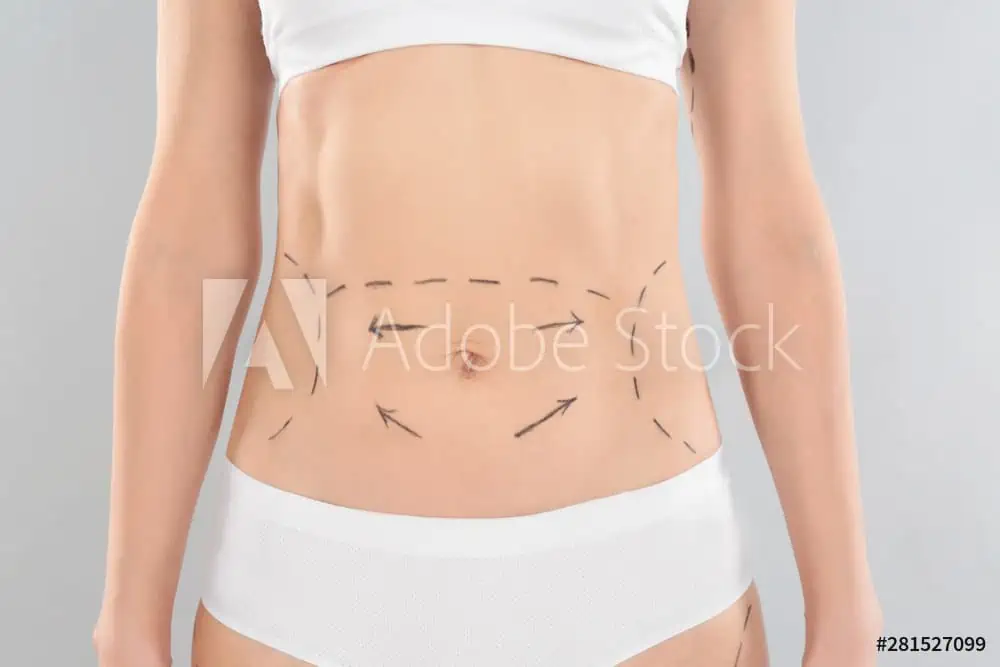
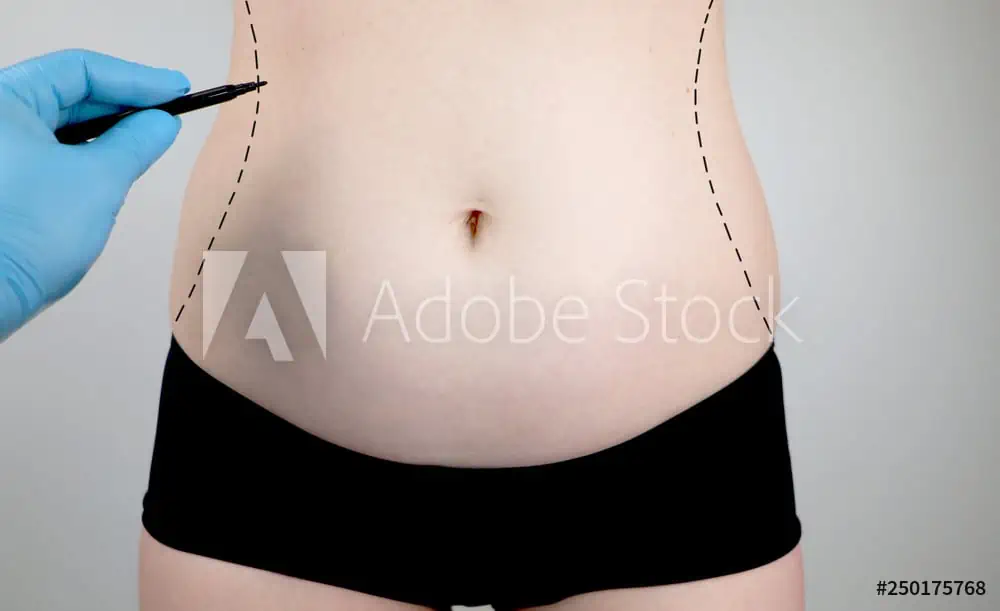
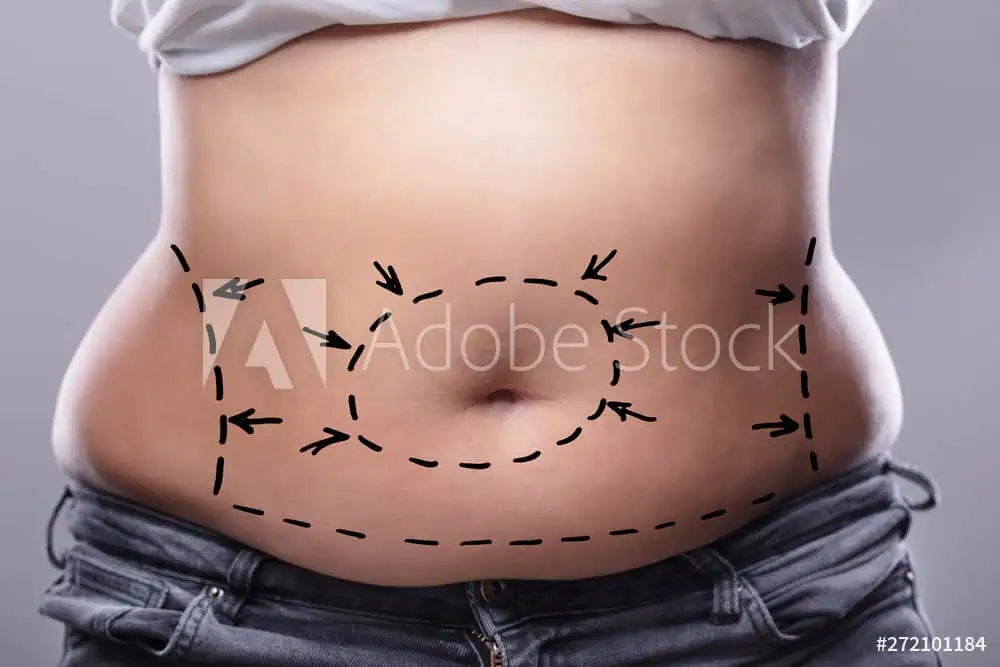
Body contouring is a broad term that covers surgical and non-surgical procedures designed to reshape and refine the body’s appearance. On the surgical side, that includes liposuction, tummy tucks, Brazilian butt lifts, and mommy makeovers. On the non-surgical side, options like BodyTite — a radiofrequency-assisted procedure — can address mild to moderate laxity with less downtime and no general anesthesia.
The right approach depends entirely on your anatomy, your goals, and how much change you’re realistically trying to achieve. Someone with significant excess skin after major weight loss needs a different conversation than someone targeting a stubborn pocket of fat that’s resisted every workout. What both situations have in common is this: the outcome is only as good as the surgeon making those decisions with you.
How to Avoid Botched Plastic Surgery Results Before You Ever Step Into an OR
This is the question most people are quietly carrying when they start researching body contouring. You’ve seen the stories — on the news, on reality TV, on social media. Someone went in for a routine procedure and came out looking nothing like they hoped. Sometimes worse. The fear of that happening to you is completely reasonable, because it does happen. The good news is that it’s largely preventable, and it starts with understanding one specific credential.
In the United States, any licensed physician can legally perform any procedure — including plastic surgery — regardless of their training or specialty. That means a doctor who completed a residency in family medicine or emergency care can legally offer liposuction or a tummy tuck. There’s no law preventing it. This is why the term “board-certified” requires scrutiny, not just acceptance.
The only board recognized by the American Board of Medical Specialties to certify plastic surgeons is the American Board of Plastic Surgery, or ABPS. Achieving that certification requires completing at minimum three years of general surgery residency, followed by two to three years of plastic surgery residency, and then passing both written and oral board examinations. It’s a long, rigorous process — and it’s the standard that actually matters.
The American Board of Cosmetic Surgery, or ABCS, is a different organization entirely. It is not recognized by the ABMS. A study published in *Plastic and Reconstructive Surgery* — the official journal of the ASPS — found that nearly 10% of doctors certified by the ABCS were not even trained in a surgical discipline. That’s not a minor distinction. That’s the difference between a surgeon who has spent years training specifically for these procedures and someone who completed a short course.
When you’re evaluating any surgeon for body contouring, verify their ABPS certification directly at abplasticsurg.org. It takes about thirty seconds and it’s the single most important step in protecting yourself.
Beyond credentials, look for hospital privileges. A surgeon who holds privileges at an accredited hospital — like Stamford Hospital here in Fairfield County — has been reviewed and credentialed by a peer committee. That process involves scrutinizing their training, their outcomes, and their professional standing. It also means that if something unexpected happens during or after your procedure, your surgeon can follow you into a hospital setting and continue managing your care. Many outpatient-only cosmetic providers cannot do that.
What Revision Surgery Actually Costs — and Why Getting It Right the First Time Matters
One of the most underestimated risks of body contouring isn’t the original procedure — it’s what happens when the results aren’t right and a patient needs revision surgery. Most people assume revision is straightforward. It usually isn’t.
Revision body contouring is almost always more complex than the initial procedure. Scar tissue changes the anatomy. Altered blood supply affects how tissues heal. The surgical planes that were clean and predictable the first time are now disrupted. That complexity translates directly into higher risk, longer recovery, and significantly higher cost — sometimes exceeding the price of the original surgery.
This is why the consultation process matters so much. We take the time to understand your anatomy, set realistic expectations, and explain honestly what a given procedure can and cannot achieve. This protects you from revision surgery down the road. A surgeon who tells you what you want to hear, rushes the consultation, or declines to show a thorough before-and-after gallery is a warning sign.
Realistic expectations are not a limitation — they’re a feature of good surgical care. If a patient wants a result that isn’t anatomically achievable, an ethical surgeon says so. That conversation might feel disappointing in the moment, but it’s the thing that keeps patients from ending up in revision surgery six months later wondering what went wrong.
The other factor that affects outcomes is post-operative compliance. Body contouring surgery requires weeks of restricted activity, compression garment use, and careful monitoring. Patients who return to full activity too soon, skip follow-up appointments, or experience significant weight fluctuations after surgery are at higher risk of suboptimal results — regardless of how skilled their surgeon is. Understanding this before you commit is part of making a genuinely informed decision.
Body Contouring Options We Offer in Fairfield County
At our practice on Summer Street in Stamford, we offer a full range of both surgical and non-surgical body contouring procedures. Liposuction — consistently the most-performed cosmetic surgical procedure in the country — is the most requested procedure at our practice. We also perform tummy tucks, Brazilian butt lifts, mommy makeovers, and BodyTite, a minimally invasive radiofrequency-assisted option that tightens skin and reduces fat with less downtime than traditional surgery.
The right procedure for you depends on your specific anatomy and goals, not on what happens to be trending. We take the time during consultation to walk through your options honestly — including when a non-surgical approach is genuinely sufficient and when surgery is the only way to achieve the result you’re after.
How Long Does Recovery from Body Contouring Surgery Really Take?
This is one of the most common points of confusion — and one of the most important to get right before you commit to surgery. A lot of marketing around body contouring implies that recovery is a matter of days. For most surgical procedures, that’s not accurate, and patients who go in with that expectation often feel blindsided when the reality is different.
Surgical body contouring — liposuction, tummy tucks, BBL — typically requires two to four weeks of restricted activity before patients can return to most normal routines. Full results, meaning the point where swelling has completely resolved and tissues have settled, often take six to twelve months to be visible. That’s not a complication. That’s normal healing.
We hear this concern often from patients across Fairfield County, particularly from professionals in Stamford’s corporate corridor and executives commuting to New York City who genuinely cannot disappear from their schedules for extended periods. The honest answer is that surgical body contouring requires real planning. If your timeline doesn’t allow for adequate recovery, a non-surgical option like BodyTite may be a better fit for right now — and that’s a conversation worth having before you book anything.
For patients in Greenwich, Darien, Westport, and New Canaan who are planning around the summer social season, the timing math matters. If you want to be fully healed and showing results by Memorial Day, you’re generally looking at a procedure in late fall or early winter. Many patients throughout Fairfield County plan their procedures between October and February specifically for this reason. We can help you map out a realistic timeline during your consultation so there are no surprises on either end.
Why Fairfield County Patients Choose Our Practice Over Traveling to Manhattan
Stamford is 34 miles from New York City. That proximity is both an advantage and a challenge for a local practice — patients in Greenwich, Darien, and Westport are close enough to Manhattan that they genuinely consider going there. We understand that calculus, and we think it’s worth addressing directly.
Dr. Chang Soo Kim completed his medical degree at Yale School of Medicine in 1997 and has more than 30 years of surgical experience. He is certified by the American Board of Plastic Surgery, holds privileges at Stamford Hospital — the largest hospital in Fairfield County — and is a member of both the American Society of Plastic Surgeons and the American Medical Association. These are credentials that stand alongside any Manhattan-based practice. The difference is that you’re not navigating city parking, paying Manhattan pricing, or making multiple round trips for pre-op and post-op appointments.
We’ve performed hundreds of successful body contouring procedures for patients across Fairfield County — from Norwalk and Trumbull to Ridgefield and Milford — and we also serve patients from Westchester County, including White Plains, Scarsdale, and Rye. Some of those patients initially planned to go to New York. They came here for a consultation and didn’t feel the need to look further.
What tends to make the difference is the consultation itself. Patients consistently describe feeling like they weren’t rushed, that their questions were actually answered, and that Dr. Kim was honest about what was and wasn’t achievable for their specific situation. That’s not a small thing when you’re making a significant decision about your body. It’s actually the whole point.
Choosing the Right Body Contouring Surgeon in Fairfield County
The procedure matters. The technology matters. But neither of those things matters as much as who is performing the work and whether they have the training, credentials, and judgment to do it well.
If you’re researching body contouring in Fairfield County, the most important steps you can take are verifying ABPS board certification, confirming hospital privileges, and choosing a surgeon who gives you a thorough, honest consultation — not one who tells you what you want to hear and moves on to the next booking.
When you’re ready to have that conversation, we’re here for it. Reach out to our Stamford office to schedule a consultation and get a clear, straightforward assessment of your options.