You’ve done the research. You’ve seen the before-and-afters. And you’re still not sure which way to go. Fat injections or hip implants — both can reshape your silhouette, but they work differently, suit different bodies, and come with different tradeoffs. The right answer depends on things like how much donor fat you have, what kind of results you’re after, and how much downtime you can realistically manage. This page walks through both options honestly, so you can stop second-guessing and start having a more informed conversation with your surgeon.
How Fat Injections Actually Work
Fat injections — also called fat transfer or fat grafting — involve taking fat from one part of your body through liposuction, processing it, and reinjecting it where you want more volume. The most common donor sites are the abdomen, flanks, and thighs. Once injected, the surviving fat cells integrate into the surrounding tissue and become a permanent part of your body.
The key word there is “surviving.” Not all transferred fat cells make it. Roughly 30 to 40 percent gets reabsorbed during the healing process, which is completely normal. We account for this by injecting a slight excess upfront. What remains after the first few months is stable — and because it’s your own tissue, there’s no risk of your body rejecting it.
Fat Transfer From Stomach to Buttocks: The Dual-Benefit Angle Most People Don’t Think About
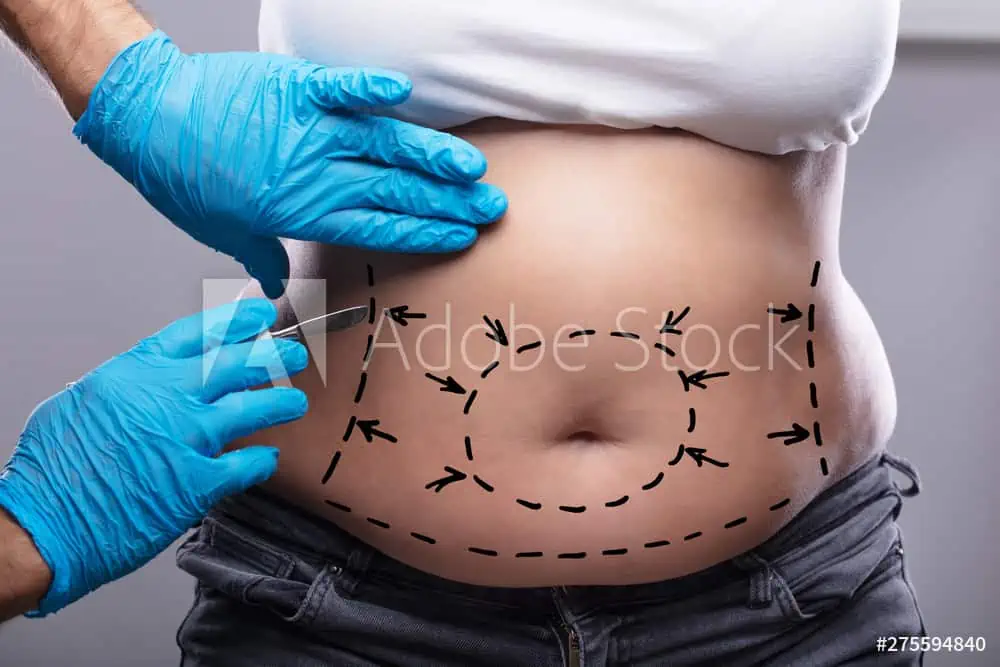
One of the most compelling things about fat transfer is that it solves two problems at once. When fat is harvested from the abdomen, you’re essentially getting liposuction-level contouring of your stomach at the same time as your hip or buttock enhancement. For many patients — particularly those dealing with stubborn abdominal fat that doesn’t respond to diet or exercise — this dual benefit is what tips the decision.
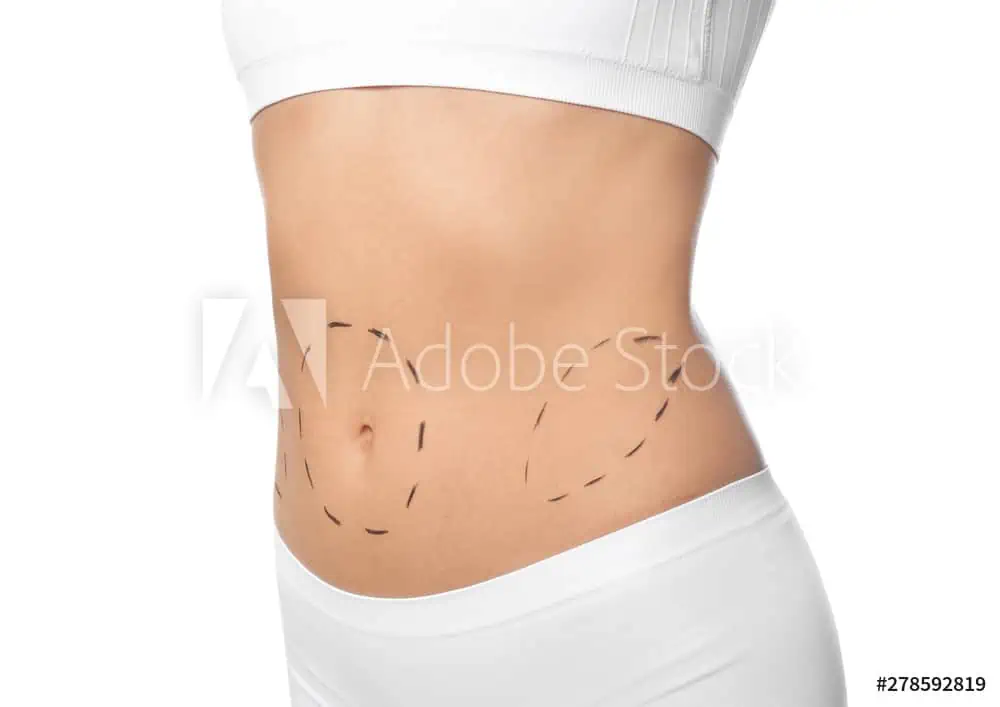
The fat transfer from stomach to buttocks procedure works like this: tumescent liposuction is used to harvest fat from the abdomen (and sometimes the flanks or thighs, depending on how much volume is needed). Tumescent liposuction is specifically chosen over laser-based techniques because laser methods destroy fat cells during extraction — and we need those cells intact to survive the transfer. The harvested fat is then processed to remove fluid, blood, and impurities before being carefully reinjected into the target area in small, precise amounts.
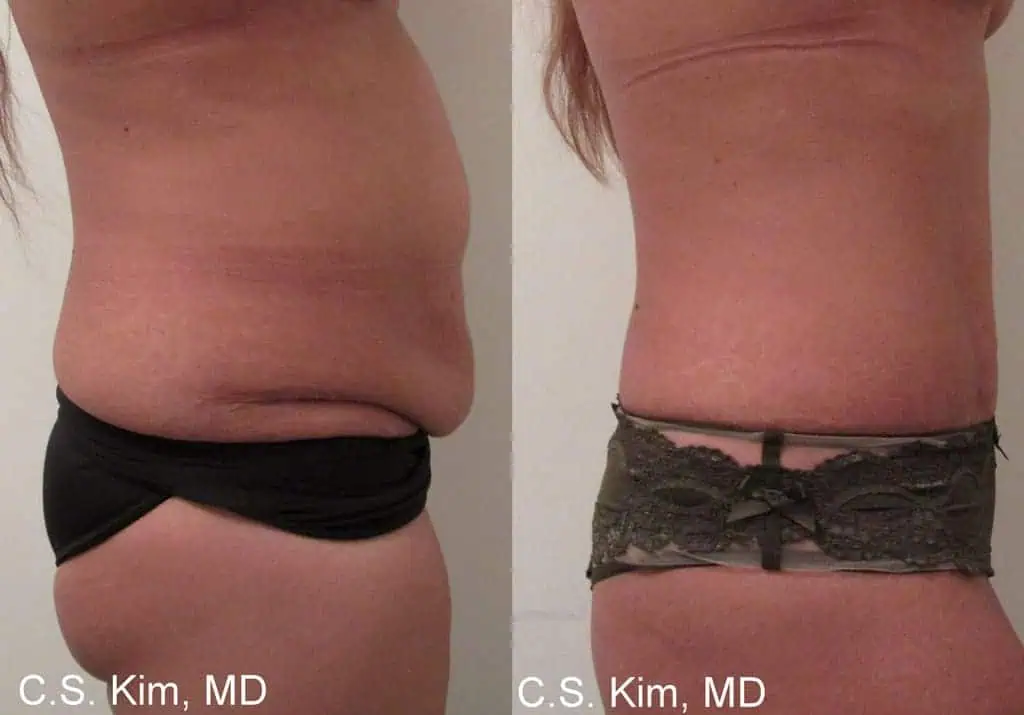
Results take time to fully show. Most patients see their final outcome around three to six months post-procedure, once the transferred fat has established its blood supply and the initial swelling has resolved. During that window, you’ll notice gradual improvement rather than an overnight change — which is actually a good thing, because it looks natural to everyone around you.
It’s also worth knowing that your weight after surgery affects your results. The transferred fat behaves like any other fat in your body — if you gain weight, it may increase in volume; if you lose a significant amount, it may decrease. Patients who maintain a stable weight tend to hold onto their results the longest, with many seeing enhancement that lasts five years or more.
Hip Implants Before and After: When Implants Are the Right Call
Hip implants are silicone-based devices surgically placed beneath the skin to add permanent volume to the outer hip area. For patients who don’t have enough donor fat to achieve their goals through transfer alone, implants are often the more reliable path to meaningful augmentation.
The results can be dramatic and immediate. Unlike fat transfer, where you’re working with what your body naturally provides, implants offer a predictable, consistent volume regardless of your body composition. If you’re lean, athletic, and have always wanted more hip projection, implants may simply be the more appropriate tool for the job.
That said, implants come with their own set of considerations. They are a foreign body, which means your immune system can react to them — and while serious rejection is uncommon, it does happen at higher rates than with autologous fat. Implants can also shift position over time, particularly if placed incorrectly or if your anatomy isn’t well-suited to the implant’s size and shape. Revision surgery is more common with implants than with fat transfer.
Recovery from hip implants also tends to be longer and more involved than recovery from fat transfer. There’s more post-operative restriction on movement and positioning, and the initial discomfort is typically greater. Most patients are back to light activity within a few weeks, but full recovery — and final results — take longer to settle.
One approach worth knowing about: we often recommend trying fat transfer first, even for patients who are considering implants. The reasoning is straightforward — if fat transfer achieves the result you’re looking for, you’ve avoided implant surgery entirely. Implants become the backup option, not the starting point. For patients with borderline donor fat availability, this is often the most sensible sequence.
Choosing Between Fat Injections and Hip Implants: What Actually Determines the Right Fit
The decision isn’t really about which procedure is better — it’s about which one is right for your specific body and goals. Fat transfer is an excellent option if you have sufficient donor fat, want natural-feeling results, and prefer a procedure that addresses two concerns at once. Implants are the more appropriate choice if you’re lean, have minimal donor fat, and need a more significant or permanent volume increase.
Board certification matters here more than most people realize. The techniques involved in safe fat injection — subcutaneous placement, proper fat processing, appropriate cannula sizing — require specific surgical training. We’re board-certified plastic surgeons, which means we’ve completed the training to do this correctly and safely.
Am I a Candidate for Fat Injections? Questions Fairfield County Patients Ask Most
The most common concern we hear from patients across Fairfield County — from Greenwich to Westport to Darien — is some version of: “What if I don’t have enough fat?” It’s a fair question, and it deserves a straight answer.
Ideal candidates for fat transfer are typically within 20 to 30 pounds of their goal weight, in good overall health, non-smokers, and have realistic expectations about outcomes. You don’t need to have a lot of excess fat — but you do need enough to harvest a meaningful volume from the donor site. The abdomen is one of the richest donor areas, and many patients who feel they “don’t have much fat” are surprised by how much is actually available once a proper assessment is done. The only way to know for certain is a consultation.
Patients who are very lean — competitive athletes, for example, or individuals with very low body fat — may not be ideal fat transfer candidates. For those patients, implants are often the more realistic path. We tell patients honestly when they’re not a good fat transfer candidate and explain why. That kind of transparency is what separates a trustworthy practice from one that simply takes your money and figures it out later.
One more thing worth addressing: the safety question. High-profile media coverage of BBL-related complications has understandably made some patients nervous. What that coverage often doesn’t explain is that the most serious outcomes were associated with procedures performed in uncertified facilities, by non-board-certified providers, using techniques that have since been formally updated. The 2022 joint advisory from ASPS, ASAPS, and ISAPS established subcutaneous-only fat injection as the standard of care — meaning fat is placed above the muscle, not within it. In our hands, following current protocols, the risk profile looks very different from what the headlines described.
Recovery, Longevity, and What to Expect Long-Term in Fairfield County’s Active Lifestyle
Recovery timelines are one of the most practical factors for patients in Fairfield County, where busy schedules, active social lives, and a fitness-oriented culture make downtime a real consideration. Understanding what each procedure actually demands — not the optimistic version — helps you plan realistically.
Fat transfer recovery is generally more manageable than implant recovery. Most patients return to light daily activity within one to two weeks, though strenuous exercise and prolonged sitting on the treated area are restricted for longer. If the buttocks are the treatment site, patients are advised to avoid direct pressure on the area for several weeks to protect the newly transferred fat while it establishes its blood supply. For Fairfield County patients planning around beach season — and with the Long Island Sound coastline running through Westport, Fairfield, and Greenwich, that’s a real planning factor — procedures performed in fall or early winter allow plenty of time for full recovery and settled results before summer.
Hip implant recovery is more involved. There’s greater post-operative restriction on movement, more initial discomfort, and a longer window before you’re back to your normal routine. Most patients are cleared for light activity within a few weeks, but the full recovery arc — and the point at which results look and feel natural — takes longer.
On longevity: fat transfer results that survive the initial reabsorption period are, in practical terms, permanent. The transferred cells don’t disappear on their own. What changes them is your weight — significant fluctuations up or down will affect the volume of transferred fat the same way they affect fat anywhere else in your body. Patients who maintain stable weight after their procedure tend to enjoy their results for many years. Hip implants are also long-lasting, but they carry a higher revision rate than fat transfer, and the possibility of shifting or complications means they’re not entirely “set it and forget it.”
The bottom line is that both procedures can deliver excellent results — but they suit different patients, different bodies, and different goals. The most important step is an honest conversation with a surgeon who will tell you which one actually makes sense for you, not just which one you came in asking about.
Which Body Contouring Option Is Right for You? Start Here.
Fat injections and hip implants are both legitimate, effective procedures — but they’re not interchangeable. One uses your own body’s resources to create natural, integrated results. The other offers a more predictable volume for patients who don’t have enough donor fat to work with. Neither is universally better. The right answer depends on your body, your goals, and an honest assessment of what’s realistic.
If you’re somewhere in Fairfield County — whether you’re in Stamford, Darien, New Canaan, or anywhere in between — and you’ve been going back and forth on this decision, the clearest next step is a consultation with us. Come in with your questions, your concerns, and your goals — and leave with a clear picture of what’s actually possible for your body.
We offer exactly that kind of evaluation at our practice. We’ll give you a straight answer, not just tell you what you want to hear.